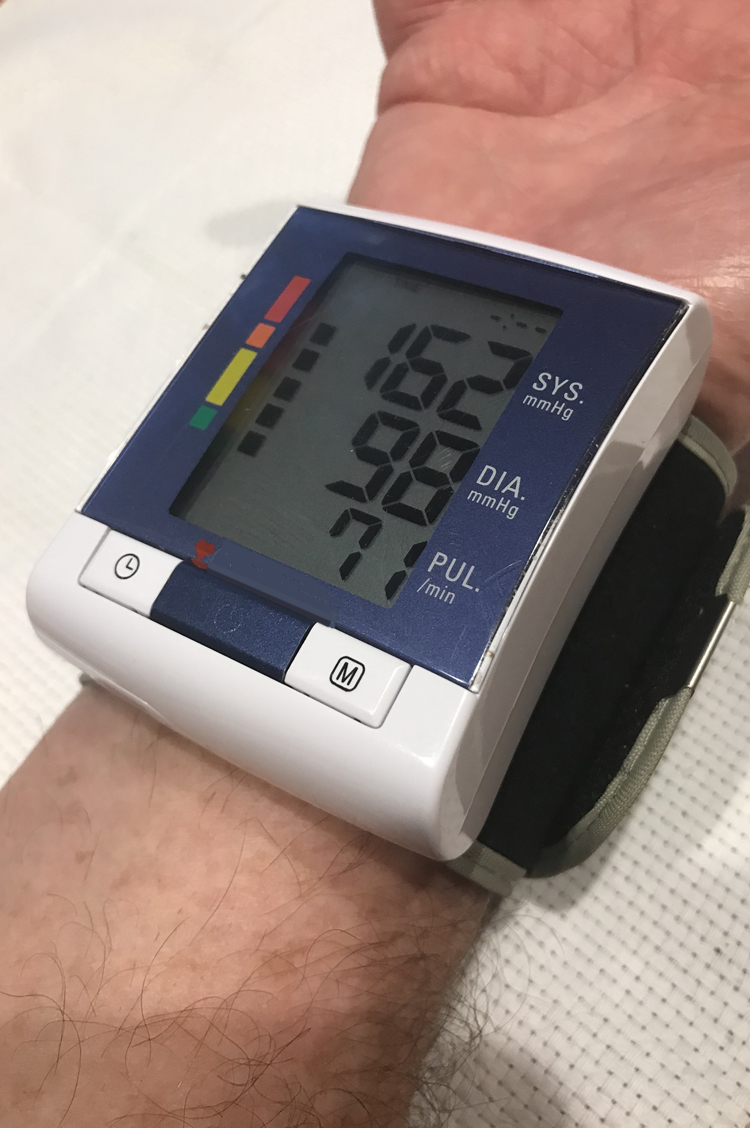
Most people shouldn't be alarmed to find they have minor fluctuations in their blood pressure, especially if the fluctuations are in normal range. But if blood pressure regularly spikes higher than normal, something might not be right.
According to the Cleveland Clinic, labile hypertension, or blood pressure that regularly spikes past normal levels, could be an indication of cardiovascular or kidney disease, sleep apnea or a problem with the adrenal glands.
Sometimes a medication can be a factor and making changes can resolve the labile hypertension.
A host of factors may contribute to labile hypertension, including: nonsteroidal anti-inflammatory drugs like ibuprofen, naprosyn or celecoxib; high estrogen oral contraceptives, oral steroids; or stimulants used to treat attention deficit/hyperactivity disorder.
Those who develop hypertension in their 40s are more likely to have basic hypertension, rather than labile hypertension. Factors include weight and excessive use of salt or alcohol.
High blood pressure can double (or even quadruple) the risk of stroke for men and women, according to Harvard Health.
The ideal blood pressure is about 120/80.
If you are being treated for hypertension, monitor your blood pressure. If you consistently see spikes above normal, tell your doctor.

Rick Good spent ten years in the newspaper business, including with The News & Observer (Raleigh, NC) and The Greenville News (Greenville, SC). He co-wrote, with Melinda Coleman, Rutledge to Riley: Governors of South Carolina, 1776–Present (Published by The Greenville News), and is the author of Mind Games Trivia #1 (Amazon). He has recently spent 15 years creating original trivia content through Sounds Good Mobile Entertainment and continues that with his new company, SGME Software. He edits The Smart Reader’s money, real estate, and business coverage.