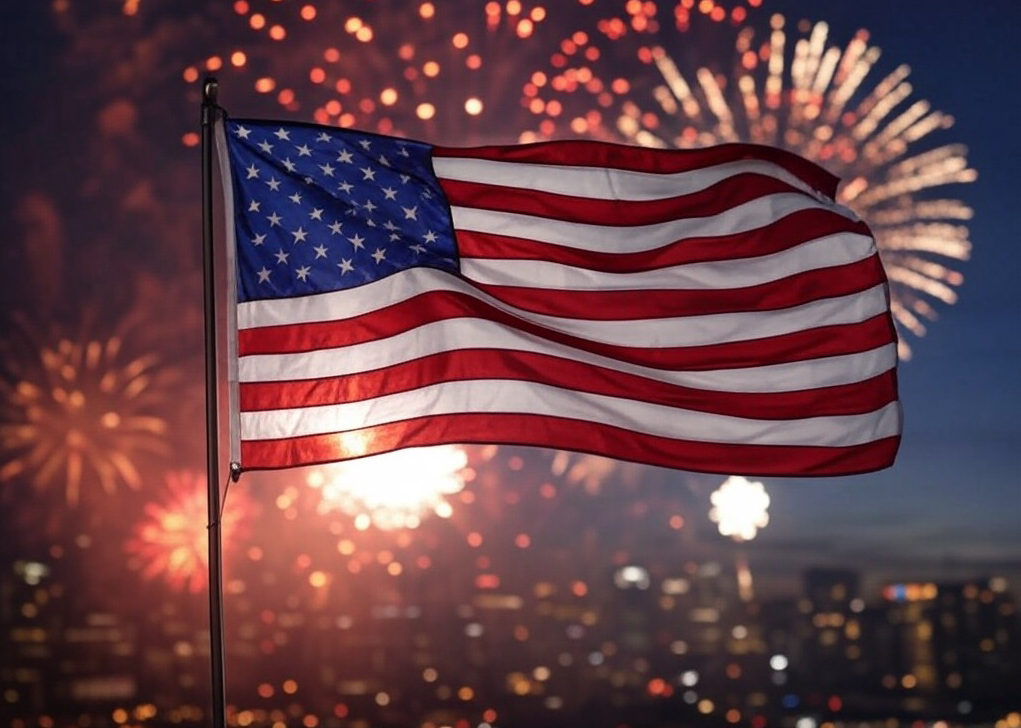
As the sun rises on March 3, we could raise the flag to mark the 94th anniversary of Congress' adoption of "The Star Spangled Banner" as our national anthem. It was written by Francis Scott Key. Key was detained on a British ship during the War of 1812. From its location in Chesapeake Bay, the ship bombarded Fort McHenry throughout that night, putting Key into a state of high anxiety. McHenry was one of the forts that successfully defended Baltimore.
Key was so inspired by the battle that on the following day, he poetically described how his country's flag survived the bombarding on September 13-14.
A few days later, the piece was printed anonymously under the title "Defence of Fort McHenry" by the Baltimore Patriot. Set to the tune of the English song, "To Anacreon in Heaven," it soon became popular throughout the nation.
The first stanza of "The Star Spangled Banner" is well-known, but Key wrote four stanzas, some of which proclaim how the nation would survive the trials of future history. He predicted:
Oh! thus be it ever, when free men shall stand
Between their loved homes and the war's desolation,
Blest with victory and peace, may the Heaven-rescued land,
Praise the Power that hath made and preserved it a
Then conquer we must, for our cause is just,
And this be our motto: "In God is our trust."
And the star-spangled banner in triumph doth wave
O'er the land of the free and the home of the brave.

Rick Good spent ten years in the newspaper business, including with The News & Observer (Raleigh, NC) and The Greenville News (Greenville, SC). He co-wrote, with Melinda Coleman, Rutledge to Riley: Governors of South Carolina, 1776–Present (Published by The Greenville News), and is the author of Mind Games Trivia #1 (Amazon). He has recently spent 15 years creating original trivia content through Sounds Good Mobile Entertainment and continues that with his new company, SGME Software. He edits The Smart Reader’s money, real estate, and business coverage.