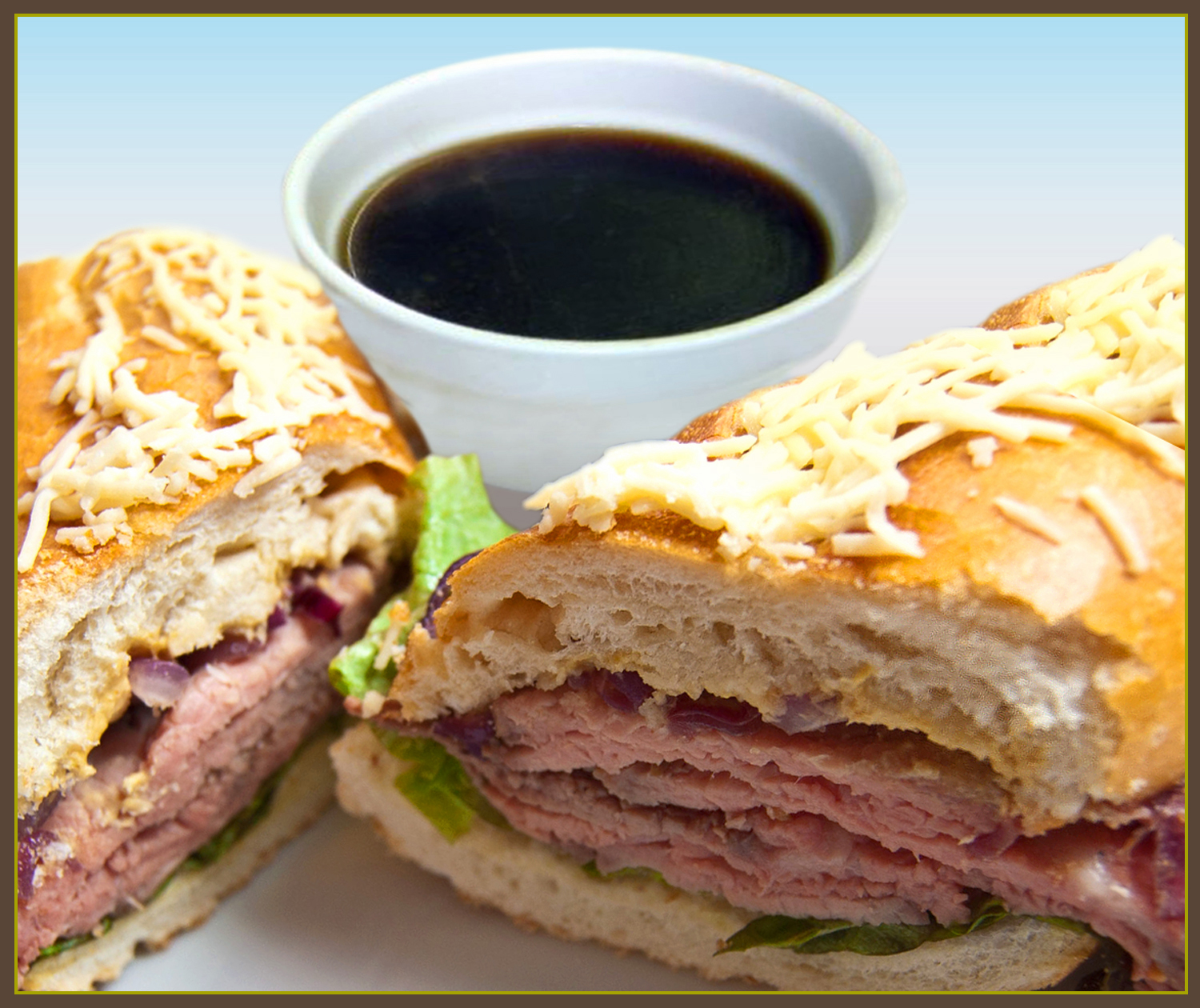
According to the French writer Pierre-Jean Grosley in his 1770 account of his year in London, the sandwich was born when John Montagu, the Earl of Sandwich, was too busy at the gambling table to take meal breaks. Instead, he usually ordered his servants to bring him sliced meats between two slices of bread. His friends, all equally obsessed with gambling, started ordering "the same as Sandwich" for themselves.
Nobody knows for sure how much of that story is true, but one thing is certain: Even though the ubiquitous sandwich bears Lord Sandwich's name, the general concept has been around for thousands of years. The earliest food item we would recognize as a sandwich might be the Korech — the "Hillel sandwich" — eaten during Jewish Passover and named for the rabbi Hillel the Elder, who was the first to advise eating bitter herbs inside unleavened matzo bread. But even he probably didn't invent it — according to PBS Food, Hillel may have just been recommending a twist on serving methods that were already common at the time.
Sandwiches went mainstream in America during the 19th century, first appearing in cookbooks in 1816 and exploding in popularity after the Civil War. Lord Sandwich's basic meat-and-bread stack was left in the dust as Americans experimented with cheese, shellfish, mushrooms, fruit and nuts. Rich and poor alike ate them, and by the dawn of the 20th century, classics like the club and the Reuben were all the rage.
So what makes a modern sandwich? That depends. In American English, "sandwich" broadly means two pieces of bread with filling. In British English and other dialects, sandwich bread is sliced from a loaf. While an American might consider a filled bread roll to be a sandwich, an Australian might disagree.
But even under the broad American definition, technicalities exist. In 2006, one Massachusetts court ruled that a sandwich must include at least two slices of bread, and burritos don't count. The United States Department of Agriculture defines a sandwich as at least 35 percent cooked meat and no more than 50 percent bread for closed sandwiches, while open-face sandwiches require a more generous 50 percent cooked meat.
However you slice it, when you slap a sandwich together for a quick lunch, you're taking part in one of the world's oldest and most famous culinary traditions.

Rick Good spent ten years in the newspaper business, including with The News & Observer (Raleigh, NC) and The Greenville News (Greenville, SC). He co-wrote, with Melinda Coleman, Rutledge to Riley: Governors of South Carolina, 1776–Present (Published by The Greenville News), and is the author of Mind Games Trivia #1 (Amazon). He has recently spent 15 years creating original trivia content through Sounds Good Mobile Entertainment and continues that with his new company, SGME Software. He edits The Smart Reader’s money, real estate, and business coverage.