For homeowners in the North and Midwest, shoveling snow isn't optional. But every year, more than 11,000 Americans visit ERs for snow-shoveling injuries, with more than 100 cardiac deaths linked to overexertion in cold weather, according to the American Heart Association.
The culprit? Wet, heavy lake-effect snow and rushed efforts. Follow these proven tips to clear your driveway without becoming a statistic.
Prep your body and gear
– Warm up first: Do 5'10 minutes of light cardio indoors, arm swings, marching in place. Cold muscles tear easily.
– Dress right: Wear moisture-wicking layers, insulated boots with traction, and waterproof gloves.
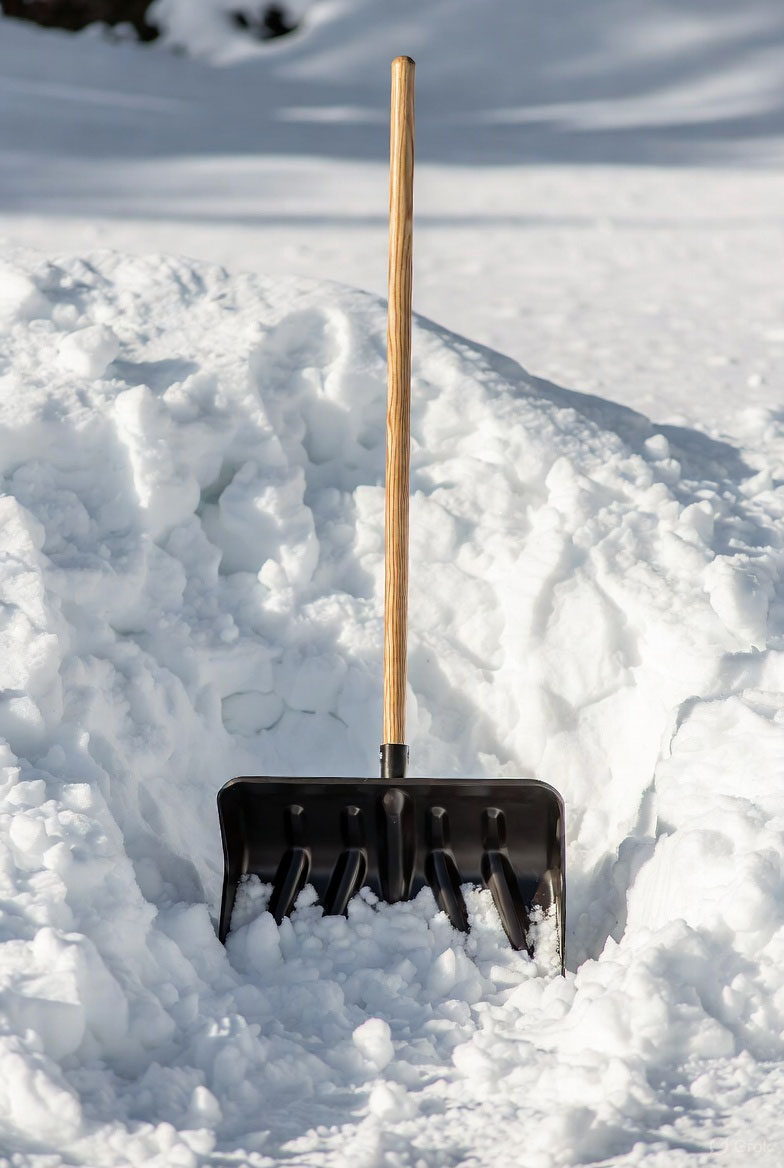
– Choose the right shovel: Use an ergonomic model with a bent handle and lightweight blade (aluminum or high-density plastic).
Shovel smart
– Pace yourself: Work in 10'15 minute bursts with 2-minute breaks. Sip warm fluids (not caffeine) to stay hydrated. Cold masks thirst.
– Push snow don't lift it.
– If you must lift, do it correctly: Bend at the knees, not the waist. Hold the shovel close to your body, and never toss snow over your shoulder. Instead, scoop, step, and pivot.
– Use smaller scoops for heavy, wet snow. Clear in layers, especially plow berms at the curb.
– Watch for warning signs: Stop if you feel chest pressure, dizziness, or shortness of breath beyond normal exertion. Call 911.
– Snow blowers: If over age 50 or with heart risks, invest in one ($300, $800). Clear paths before full accumulation.
– Salt wisely: Use pet-safe ice melt (magnesium chloride) sparingly to avoid runoff damage.

Rick Good spent ten years in the newspaper business, including with The News & Observer (Raleigh, NC) and The Greenville News (Greenville, SC). He co-wrote, with Melinda Coleman, Rutledge to Riley: Governors of South Carolina, 1776–Present (Published by The Greenville News), and is the author of Mind Games Trivia #1 (Amazon). He has recently spent 15 years creating original trivia content through Sounds Good Mobile Entertainment and continues that with his new company, SGME Software. He edits The Smart Reader’s money, real estate, and business coverage.