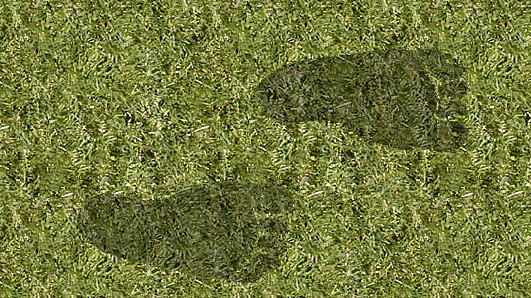
Two good reasons to aerate your lawn: tramped-on turf or the dreaded clay soil.
Greens keepers aerate fairways because the soil gets compacted from all the walking on it. Even a small dog or kids playing can compact your soil. If you have activities on your yard, you should aerate.
The other main reason to aerate is if you have clay soil. Although lots of trees and shrubs can grow well in clay, the roots of most annuals, perennials, and vegetables just aren't strong enough to make their way through the stubborn clay.
Aerating will improve the health of the clay soil, introducing essential nutrients and providing more favorable growing conditions.
At mowersdirect, lawn product expert Jose Castellanos says that no matter the implement you use, aeration is essentially just putting holes in the soil to improve the flow of oxygen, water and other nutrients to the roots in the grass.
Aeration actually causes initial damage to your yard, as it puts holes in the soil and may tear some roots, but in the long term it improves the overall health.
Typically, an aerator is a tow- or walk-behind implement with lots of spikes on it. As it's towed across the grass, the spikes pull out 1 to 3 inch cylinders of soil. These holes allow for the extra moisture and air to penetrate.
When should you aerate?
Generally, you'll want to aerate your lawn in the spring. This is usually done in April, prior to plants blooming. However, in years with long winters or cold springs, aerating in May is fine too.
Remove all the weeds from your lawn before aeration. Otherwise, aeration can spread the weed pores.

Rick Good spent ten years in the newspaper business, including with The News & Observer (Raleigh, NC) and The Greenville News (Greenville, SC). He co-wrote, with Melinda Coleman, Rutledge to Riley: Governors of South Carolina, 1776–Present (Published by The Greenville News), and is the author of Mind Games Trivia #1 (Amazon). He has recently spent 15 years creating original trivia content through Sounds Good Mobile Entertainment and continues that with his new company, SGME Software. He edits The Smart Reader’s money, real estate, and business coverage.