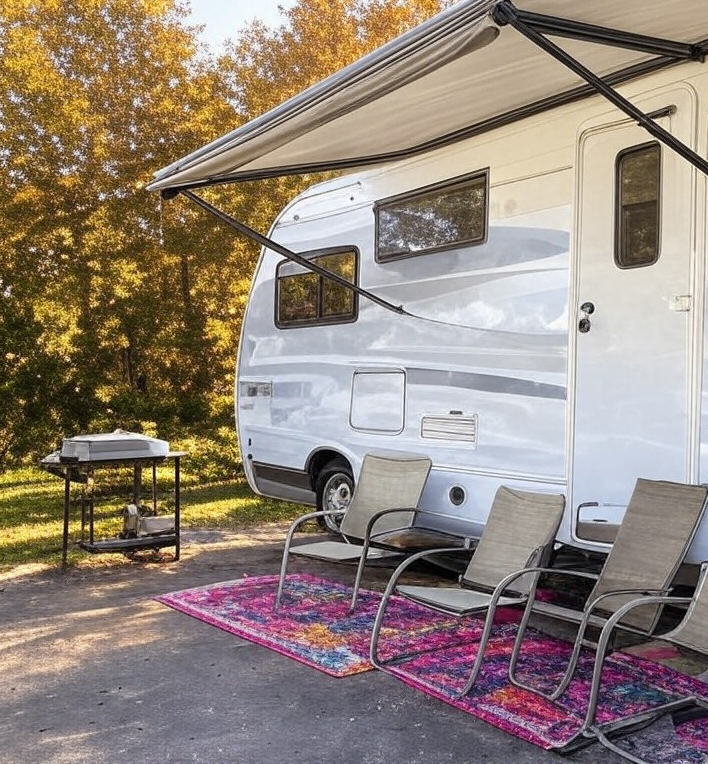
More people than ever are taking to the road in an recreational vehicle and 18 percent of new RV owners were 65 and older.
It's the thrill of the road. The idea that you can spend retirement traveling, a permanent vacation without the burden of a house. And, it maybe can be that way, but it takes some skill — and a lot of money.
The biggest and best motorhomes (Class A) are little houses on wheels, but they can cost a minimum of $100,000 up to a million. On the lowest end, Class C can start at $50,000. Pop-up trailers start at $6,000, but require an expensive heavy-duty truck for towing.
You might think that an RV can cost roughly the same as a small house, so maybe it is worth it. Remember that, unlike sticks and bricks, an RV doesn't increase in value — and it takes a lot of gas to drive them and upkeep to maintain them.
Still, if you have the money, some skill with vehicle repair, and the love of the road, an RV can be an adventure.
For retirees on Medicare, health care usually isn't a problem but getting prescriptions might be. Make sure you can buy prescriptions at Walmart, since the stores are everywhere.
After that, your daily concern will probably be the RV tanks. Water tanks must be constantly refilled and sewage tanks emptied. Don't assume you can do that at a campground or rest stop.

Allyson Good curates senior living, health, and family content. She is formerly the Managing Editor of Active Life, a print newspaper published in 2016-2017 for seniors, choosing practical articles on health, money, safety, and everyday living for older readers. She is also an avid gardener and offers up Garden Hints and Tips on a regular basis.