
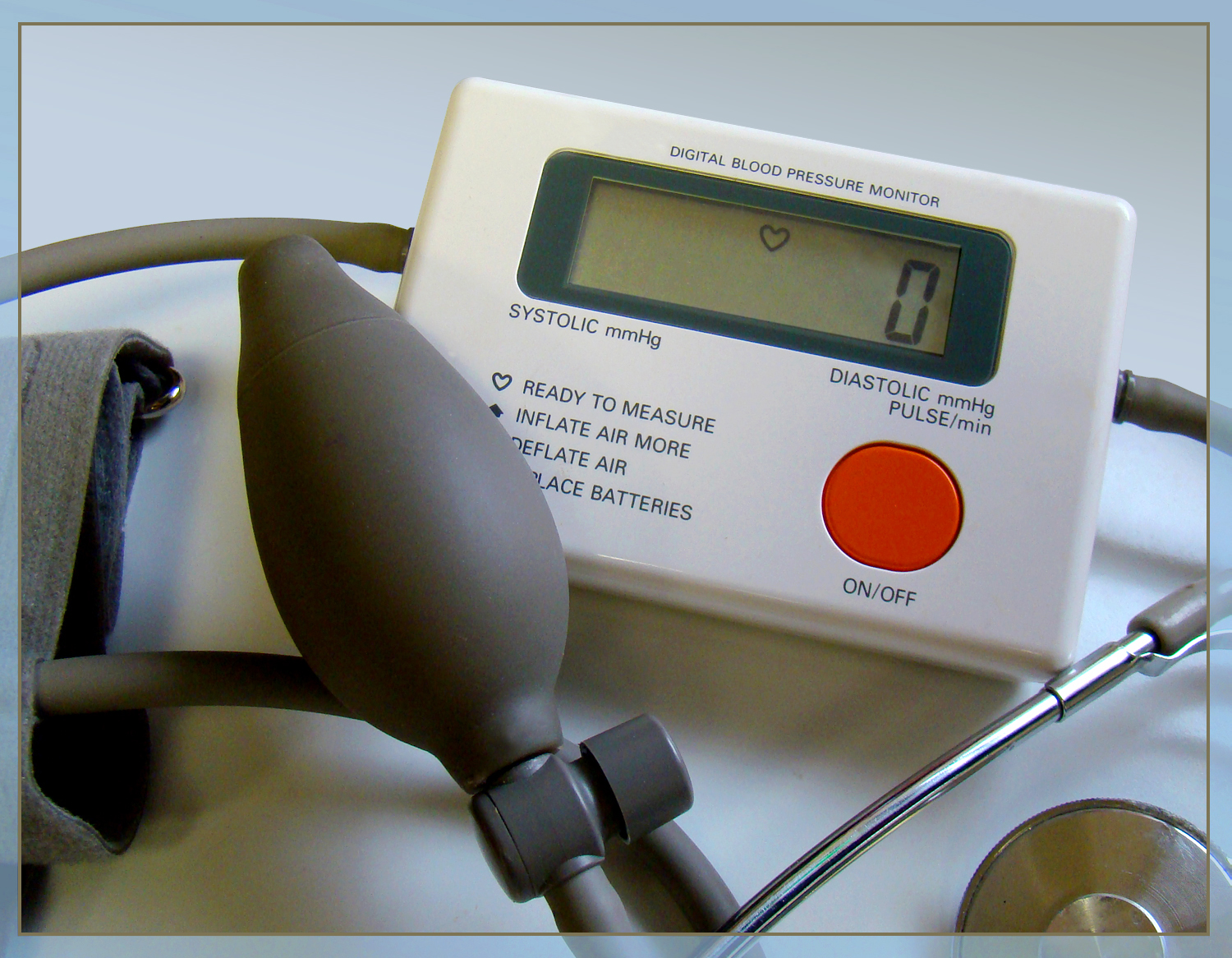
Hypertension — the clinical term for high blood pressure — is a common cardiovascular ailment among Americans, afflicting about 116 million adults, according to the Centers for Disease Control and Prevention. It's not surprising that among the ten most commonly prescribed drugs in the U.S., four of them are used to treat hypertension, according to Healthgrades.
But for many hypertension patients, daily medication isn't enough. According to CNN, as many as a third of American adults on hypertension drugs may have uncontrolled hypertension even with the use of blood pressure medications. Blood pressure is labeled as uncontrolled or "resistant" when an individual's blood pressure readings remain elevated despite concurrent use of three types of medication. According to the American Heart Association, anything above 130 systolic (top number) and over 80 diastolic (bottom number) is high blood pressure. Uncontrolled hypertension is more common among younger men than younger women, but the risk shifts among older adults, with women more likely to have uncontrolled blood pressure than men.
Fortunately, medications aren't the only tools available to fight stubborn hypertension. According to Medical News Today, researchers at the Duke University School of Medicine in Durham, NC, found that individuals with resistant hypertension who combined regular structured exercise and the Dietary Approaches to Stop Hypertension (DASH) diet with weekly support sessions saw at least a 12-point drop in their systolic blood pressure. Another group that received written guidelines on the DASH diet and exercise along with a one-hour education session also lowered their blood pressure, though the drop was a more modest seven points. All participants continued taking medications as prescribed.
The DASH diet is a well-known meal plan that emphasizes fresh produce, low-fat dairy, whole grains and lean meats, nuts, seeds and legumes, while limiting — not eliminating — saturated fat and sodium. Medical professionals and groups routinely laud the DASH eating plan for its focus on long-term lifestyle change instead of temporary drastic restriction, according to the National Institutes of Health.
For more information about the DASH diet and other lifestyle modifications to promote healthy blood pressure, talk to your physician or a registered dietitian.

Rick Good spent ten years in the newspaper business, including with The News & Observer (Raleigh, NC) and The Greenville News (Greenville, SC). He co-wrote, with Melinda Coleman, Rutledge to Riley: Governors of South Carolina, 1776–Present (Published by The Greenville News), and is the author of Mind Games Trivia #1 (Amazon). He has recently spent 15 years creating original trivia content through Sounds Good Mobile Entertainment and continues that with his new company, SGME Software. He edits The Smart Reader’s money, real estate, and business coverage.