One heroic vet in Los Angeles opened up her home and an old, vacant pet hospital to take in 41 animals as the wildfire in the Palisades incinerated a neighborhood.
Dr. Annie Harvilicz (animalwellnessfoundation.org) posted on social media her pleas that everyone take their animals with them when they evacuate, but she was there to help.
It's something no one wants to think about: What happens to your pets when a disaster strikes?
The answer is that if you don't take them with you immediately, chances are they will die. You won't be able to go back. It won't be temporary.
You have to plan ahead for your pets. Think first about transportation and shelter options.
If you would have to go to an emergency shelter, your options are limited. Human emergency shelters do not allow pets. However, especially in a disaster, people can find hotels or kennels that will take pets.
If you have any time to prepare, bring the following items:
* Pet shot and health records.
* Food and water for three days.
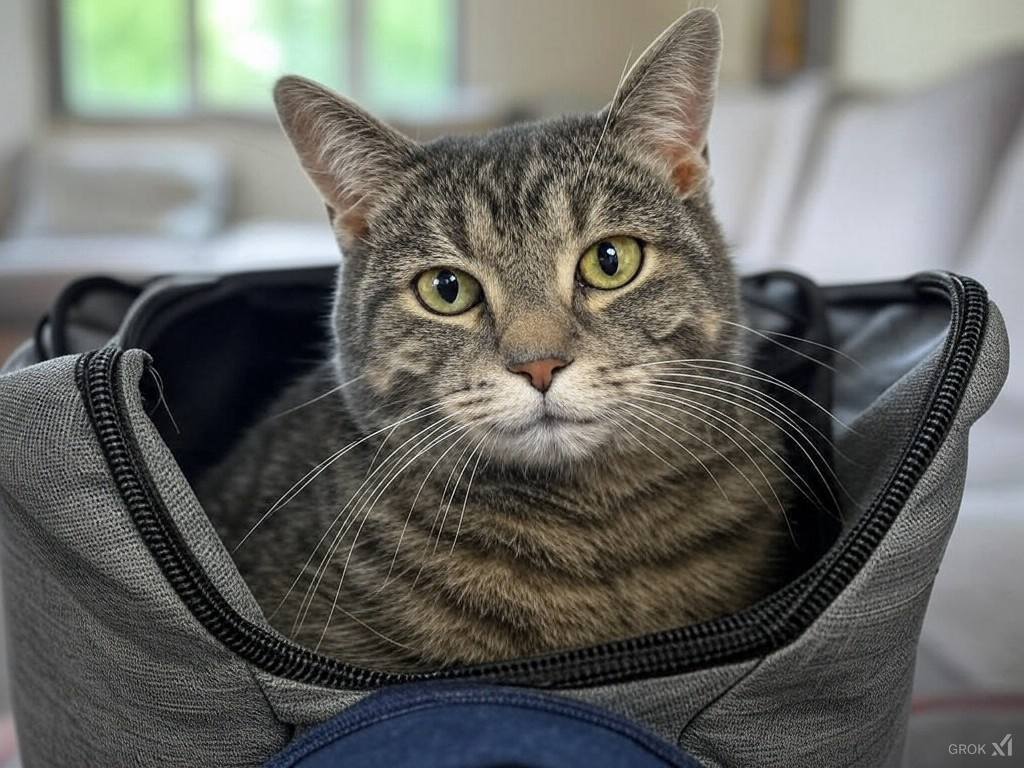
* Carrier and leashes.
* Comfort items.
* ID on the animal, along with your contact information.
The problem becomes trickier with multiple pets. Transportation and sheltering are more complicated. You might have to plan to separate them with different people.
Dr. Harvilicz sadly recounted the story of a family in the path of the fire with six donkeys. They had to release them. Large animal rescue organizations often have their own fire trucks, but this doesn't guarantee that their animals will be safe either.
In the worst case scenario, never leave a pet tied up or confined to a house. Turn them loose. If nothing else, use a marker to write a phone number on the pet.

Rick Good spent ten years in the newspaper business, including with The News & Observer (Raleigh, NC) and The Greenville News (Greenville, SC). He co-wrote, with Melinda Coleman, Rutledge to Riley: Governors of South Carolina, 1776–Present (Published by The Greenville News), and is the author of Mind Games Trivia #1 (Amazon). He has recently spent 15 years creating original trivia content through Sounds Good Mobile Entertainment and continues that with his new company, SGME Software. He edits The Smart Reader’s money, real estate, and business coverage.