
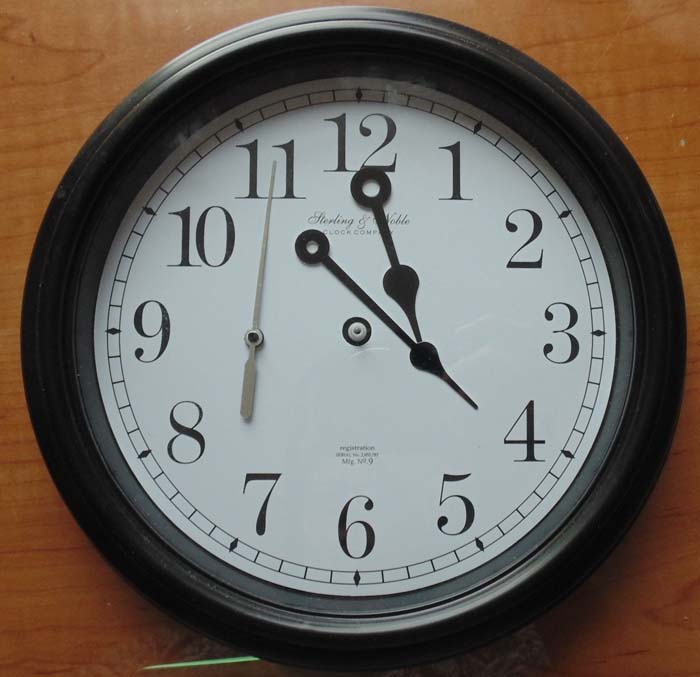
Tardy people always have their reasons, but the price of being late can be high.
It's the traffic, the weather, a broken alarm. Your dog is sick. You name it; the reasons are legion, but in the end, tardiness is the fault of the tardy.
Most chronically late people consistently underestimate needed time by 25 percent to 30 percent, says Diana DeLonzor, author of Never Be Late Again (Post Madison).
Optimism is good, but not when determining how long it will take to drive through traffic and park your car. You have to allow a safety margin to account for unforeseen delays.
One researcher found that people don't get motivated far enough ahead of their deadlines. Since missing deadlines has economic and social consequences, other people are often forced to monitor the work of the chronically late person.
Psychologists once thought the tardy were late because of avoidance and anxiety. That proved not to be true because the same people were late arriving at events they enjoyed.
Tardiness is contagious. When others know you will be late for a meeting, they will be late too, wasting time for those who were punctual. Late people are more likely to change punctual people than the other way around.
Some offenders say being late makes them feel important because everyone has to wait for them. Usually, however, they lose respect.

Rick Good spent ten years in the newspaper business, including with The News & Observer (Raleigh, NC) and The Greenville News (Greenville, SC). He co-wrote, with Melinda Coleman, Rutledge to Riley: Governors of South Carolina, 1776–Present (Published by The Greenville News), and is the author of Mind Games Trivia #1 (Amazon). He has recently spent 15 years creating original trivia content through Sounds Good Mobile Entertainment and continues that with his new company, SGME Software. He edits The Smart Reader’s money, real estate, and business coverage.