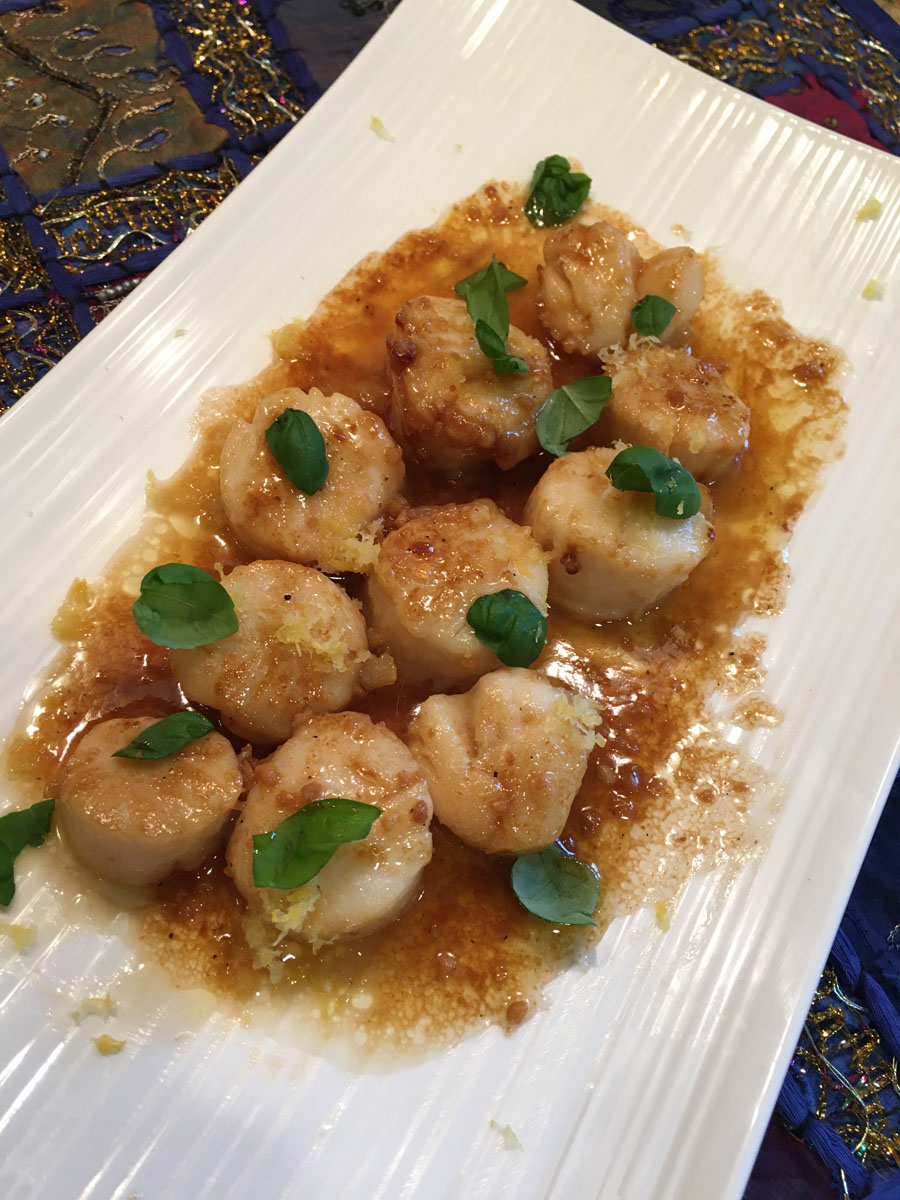

If you've puzzled over uses for those knotty-looking ginger roots in the produce department, just put one into your shopping cart. Then check your cookbook for recipes that begin with the word "ginger."
Ginger has been revered around the world for more than 7,000 years. It has slightly pungent natural taste that adds a touch of its flavor and enhances all other flavors in a recipe. Ground ginger has a different flavor and is not usually interchangeable with fresh ginger.
In China and many other parts of the world, ginger is well-known for its power to calm an upset stomach. Common anti-nausea medications work through the central nervous system, causing drowsiness. Ginger acts directly on the digestive tract. In one study, people who took one gram of ginger before surgery had less nausea afterward. It is useful for chemotherapy patients and for pregnant women having morning sickness because it will not harm the fetus. Ginger's reputation as a remedy for motion sickness and seasickness is well documented by a famous Danish study. Ginger extract is available in health-food stores.
Next time you're feeling a little queasy, brew a cup of ginger tea. Slice some ginger root. Put it in a tea ball and place in a teapot. Pour boiling water over the tea ball and let it sit for 10 minutes. Sweeten with honey.
Christmas Gingerbread
In a pan, melt 1/2 cup butter, 2/3 cup brown sugar, and 1/3 cup molasses. Cool slightly, then beat in 1 egg.
In a bowl, sift together almost one cup of white and almost one cup of whole wheat flour, 1 teaspoon ground ginger, and 2 teaspoons ground cinnamon. Stir into the melted mix.
Mix 2/3 cup warm milk with 1 teaspoon baking soda and add to the mix. Stir in 1/2 cup dried fruit.
Bake in a pan lined with wax paper for 1 hour at 300 degrees. Cool, remove from the pan, and discard the wax paper.
For best flavor, store in an airtight tin a week before serving.

Rick Good spent ten years in the newspaper business, including with The News & Observer (Raleigh, NC) and The Greenville News (Greenville, SC). He co-wrote, with Melinda Coleman, Rutledge to Riley: Governors of South Carolina, 1776–Present (Published by The Greenville News), and is the author of Mind Games Trivia #1 (Amazon). He has recently spent 15 years creating original trivia content through Sounds Good Mobile Entertainment and continues that with his new company, SGME Software. He edits The Smart Reader’s money, real estate, and business coverage.