
In many cases, hay fever is a minor nuisance. But if your symptoms are more persistent, they can make you miserable.
Weed pollen is the main cause of allergies in the late summer and early fall. Depending on where you live, the weeds will include ragweed, sagebrush, pigweed, tumbleweed and cocklebur.
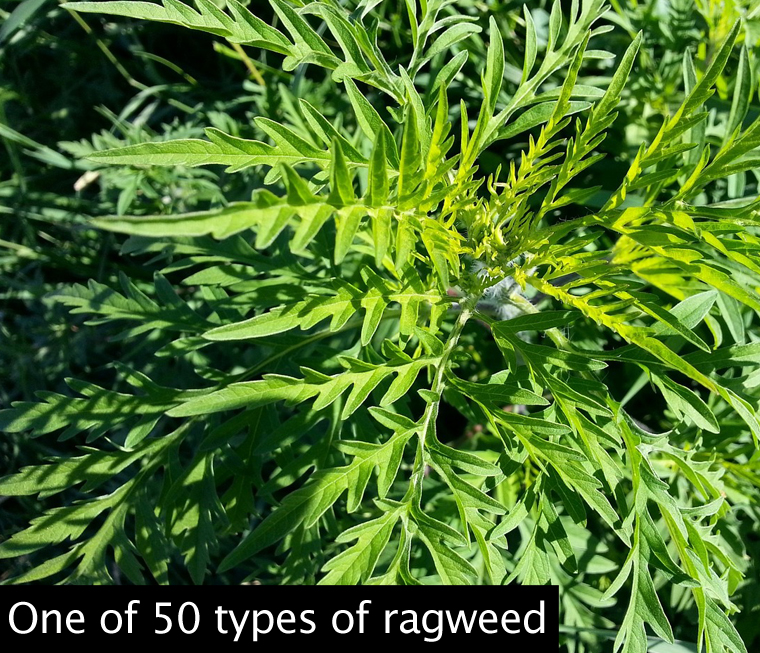
Ragweed is the number one offender, say doctors at Allergy and Asthma Care of New York. One plant can produce a billion pollen grains.
Generally, people wait to treat allergy symptoms until after they start. But the best way to get relief is to treat symptoms before they show up. Allergists say that if you know your symptoms begin in late August, start your medication before that time and increase your dosage as the season progresses.
Though fall allergies can be triggered by allergens from another season, the result is the same.
For runny nose and sneezing: Ask your doctor for a prescription nasal corticosteroid. Over-the-counter antihistamines like Claritin and Allegra can also help.
For itchy, watery eyes: Prescription eye drops can stabilize the cells in the eyes that react to allergens and the drops can be generally used with other treatments.
Try fluticasone propionate (Flonase), to relieve a variety of symptoms, including nasal symptoms.
Some allergy sufferers think their antihistamines are losing strength as the season progresses. Actually, their allergies might be worsening and they need a higher dosage or an additional medication.

Rick Good spent ten years in the newspaper business, including with The News & Observer (Raleigh, NC) and The Greenville News (Greenville, SC). He co-wrote, with Melinda Coleman, Rutledge to Riley: Governors of South Carolina, 1776–Present (Published by The Greenville News), and is the author of Mind Games Trivia #1 (Amazon). He has recently spent 15 years creating original trivia content through Sounds Good Mobile Entertainment and continues that with his new company, SGME Software. He edits The Smart Reader’s money, real estate, and business coverage.