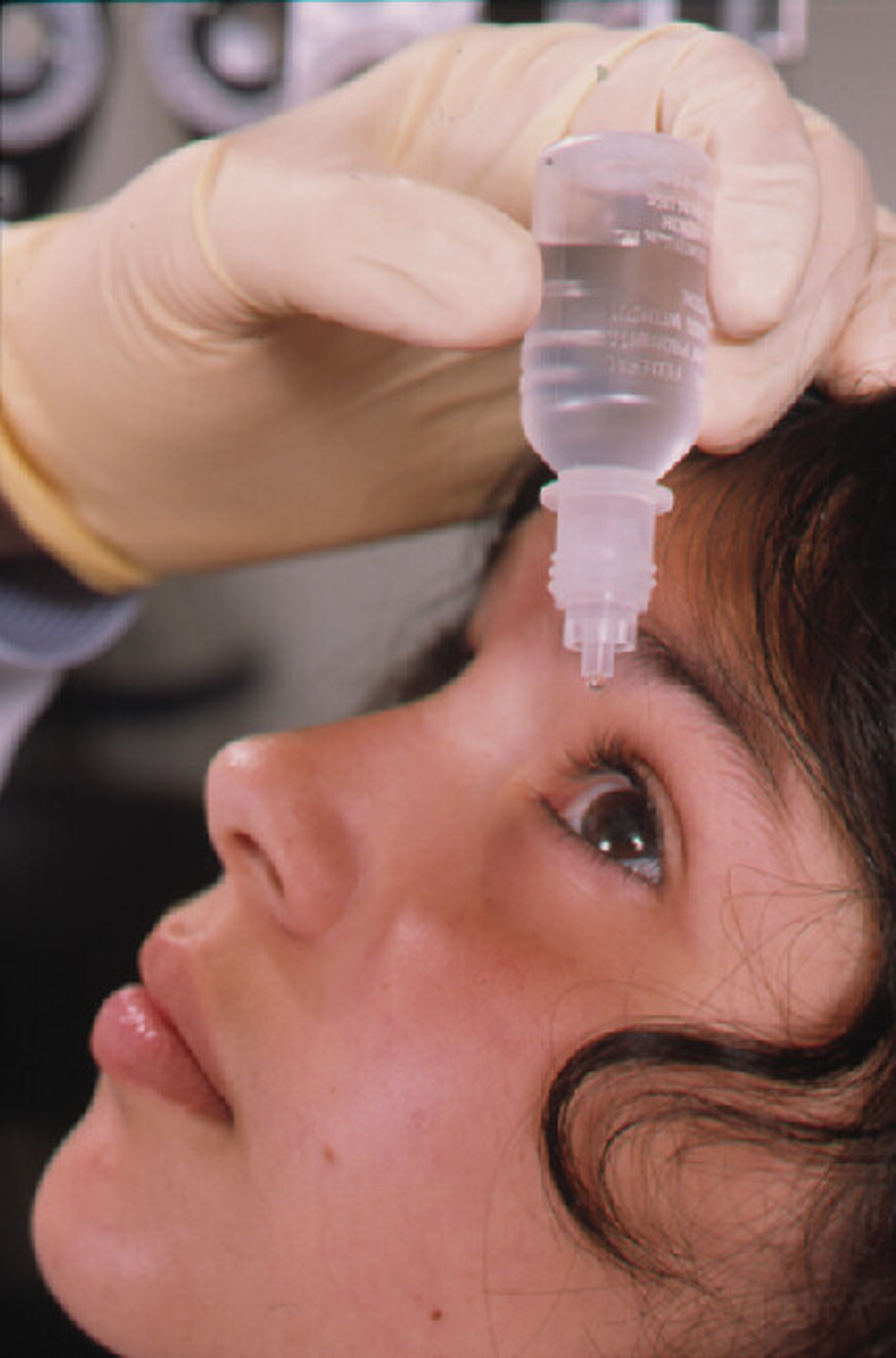
Symptoms of dry eye can range from mildly irritating to almost debilitating. They include painful scratchiness, light sensitivity, and stinging.
About 25 percent of eye doctor visits are for dry eye-related complaints.
What causes all these dry eye problems?
* Age. Most patients are over 40.
* Soft contact lenses. They absorb fluid on the eye surface.
* Vision correction surgery. Dry eye can be a side effect of the 1.4 million eye surgeries done each year in the U.S.
* Eyelid surgery. Sometimes results in a sliver of an opening when eyes are closed, which dries the eyes.
* Activities in which the eyes are not blinked regularly, including computer use and watching television.
* Wind. Outside or from heating and cooling systems in the home and car.
* Dust or allergens in the air.
With a huge need for dry-eye treatments, many pharmaceutical companies offer a plethora of remedies, with more in the works. Right now, here's what's available:
Lubricating drops such as Systane, TheraTears, and Refresh.
Proclear and Acuvue Oasys, which are contact lenses meant to alleviate dry eyes for contacts wearers.
Omega-3 fatty acid (a nutritional supplement). A 2005 Harvard study showed the benefits of tuna for eye health.
Restasis, an FDA-approved prescription drug that has good results in many cases, but doesn't work for everyone.
Goggles: Those by Panoptx and others create a moisture chamber around the eye. They are available at ski shops and motorcycle shops.
Boston Scleral Lens. A custom-fitted prosthetic device that creates a reservoir over the cornea.

Rick Good spent ten years in the newspaper business, including with The News & Observer (Raleigh, NC) and The Greenville News (Greenville, SC). He co-wrote, with Melinda Coleman, Rutledge to Riley: Governors of South Carolina, 1776–Present (Published by The Greenville News), and is the author of Mind Games Trivia #1 (Amazon). He has recently spent 15 years creating original trivia content through Sounds Good Mobile Entertainment and continues that with his new company, SGME Software. He edits The Smart Reader’s money, real estate, and business coverage.