Finding Point Nemo: the graveyard of space stations
After years of service, many space stations and satellites are sent off to the farm, or more literally, the middle of the Pacific ocean.
Retirement for space objects often means plummeting into the atmosphere, igniting into furious fireballs destined for Point Nemo, a patch of water between New Zealand and South America, 1,680.7 miles from land.
Decommissioned objects are removed from orbit because they could cause accidents with spacecraft, satellites, and the like.
So why is Point Nemo specifically the final destination? Objects crashing into earth reach high speeds and if they land in populated areas, people could get hurt or killed. While NASA and other space agencies are pretty good at plotting trajectories, it's still safest to bring objects down as far from civilization as possible. Which means Point Nemo.
Point Nemo is a Pole of Inaccessibility located in the middle of the South Pacific, far from major landmasses and busy shipping lanes. You won't find much marine life there either because the Southern Pacific Gyre, a massive system of currents, prevents nutrients from reaching the area.
Even if a plummeting satellite or space station falls many miles outside of its projected landing point, risks remain low for humans and sea creatures too.
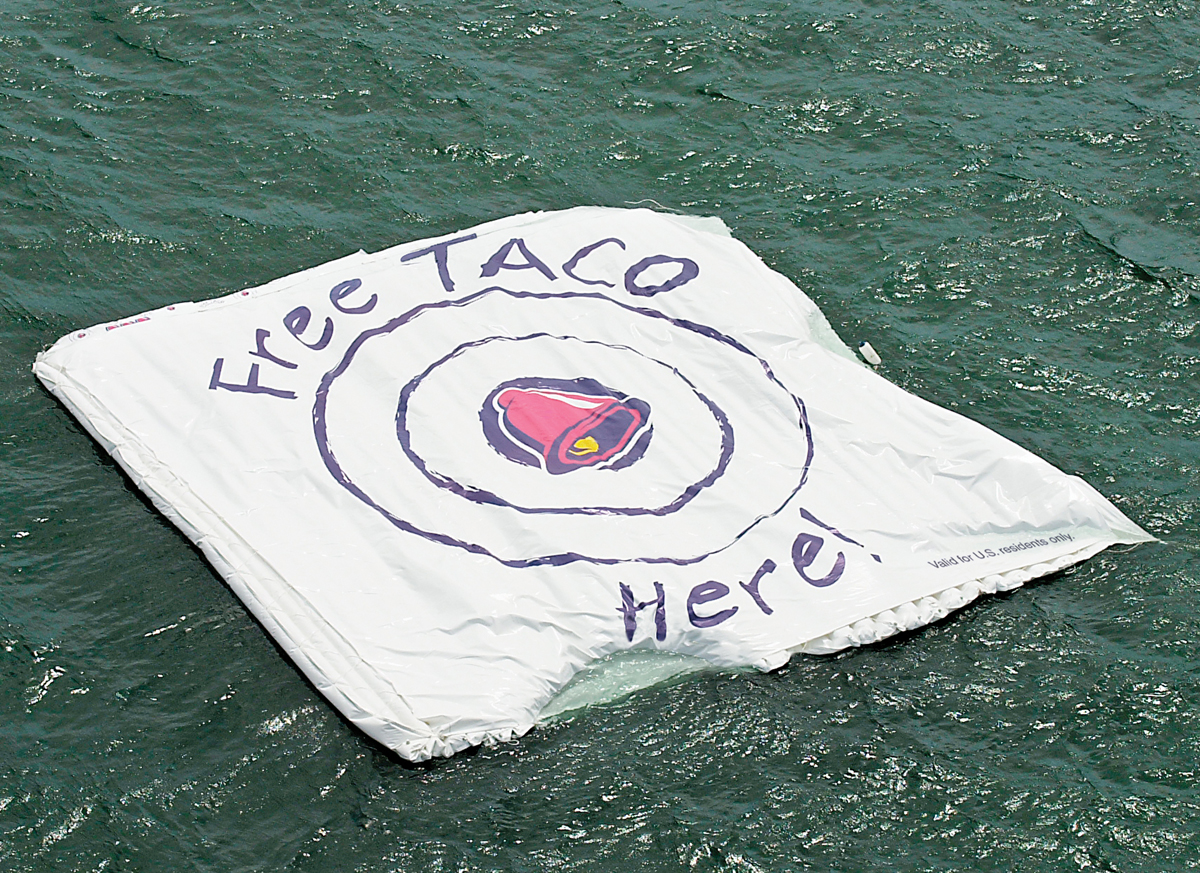
Hitting a bullseye is so difficult that in 2001, Taco Bell set up a 40 by 40 foot floating target at Point Nemo, promising to give every American a free taco if Russia, then retiring the Mir space station, could hit the target. That would have cost Taco Bell $10 million, but it was a good gamble. Despite great effort, Russia missed the mark and Americans missed out on free tacos.

Briefs and quick reads selected and edited by The Smart Reader’s editorial team.