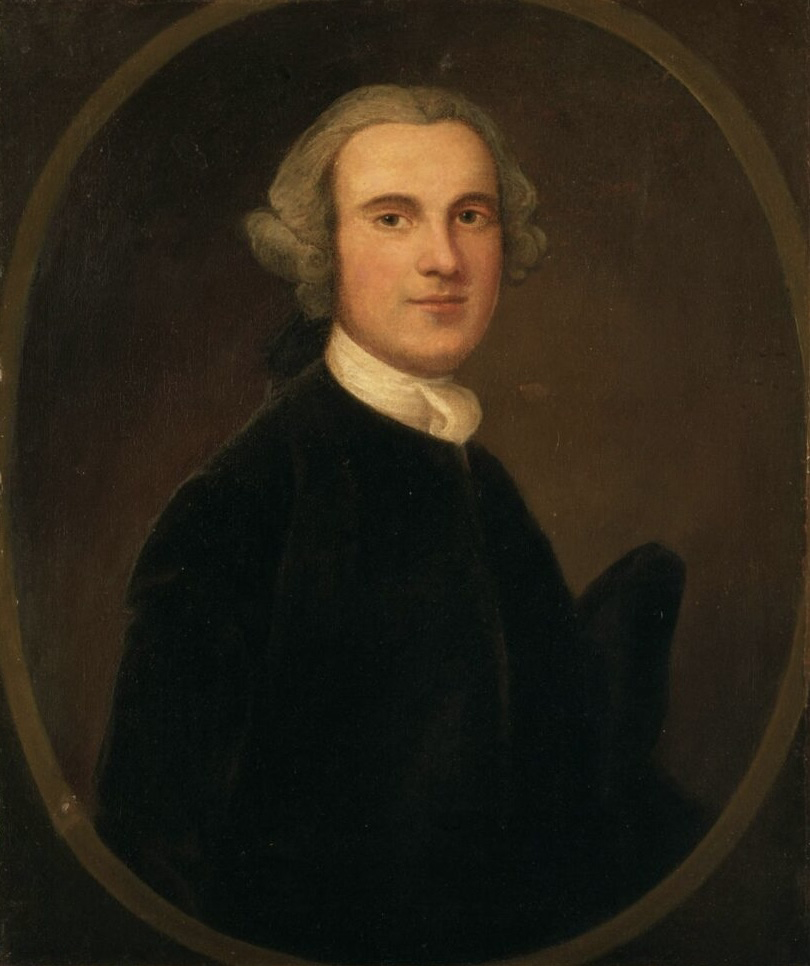
When the 56 men signed the Declaration of Independence, they pledged "our Lives, our Fortunes, and our sacred Honor." For Richard Stockton of New Jersey, that pledge was more than rhetoric.
According to the American Battlefield Trust, Stockton arrived in Philadelphia on July 1, 1776, soaking wet from a thunderstorm, and asked John Adams to repeat the pro-independence speech he had missed. Three days later, he signed his name as the first New Jersey delegate to do so.
Five months later, the war came to his doorstep. British troops were advancing through New Jersey, and Stockton rushed home to Morven, his estate near Princeton, to evacuate his family. According to the Princeton Alumni Weekly, he had taken refuge at a friend's home in Monmouth County when, on the night of November 30, local Loyalists dragged him from his bed in the cold. He was turned over to the British, marched to a jail in Perth Amboy, and then transferred to the notorious Provost Prison in New York.
What happened next has been debated for two and a half centuries. According to Princeton Alumni Weekly, conditions at Provost were brutal, starvation, broken windows, freezing cold. The Continental Congress eventually passed a resolution directing Washington to protest his treatment, and Stockton was released on parole in January 1777. According to a British document on file with the National Archives, he had agreed not to "meddle in the least in American affairs during the war."
For generations, that pardon was read as a recantation. Modern historians are less certain. According to the American Battlefield Trust, Stockton later signed a New Jersey allegiance oath in 1777 and insisted that act had canceled out the parole. Either way, his life was effectively over. His Princeton estate had been used as headquarters by Lord Cornwallis and stripped bare; his library, one of the finest in the colonies, had been burned. He developed cancer of the lip that spread to his throat and died in February 1781, two and a half years before the war he had signed for ended in victory.
In 1888, New Jersey placed a marble statue of Stockton in the U.S. Capitol, one of only six signers so honored.

Briefs and quick reads selected and edited by The Smart Reader’s editorial team.