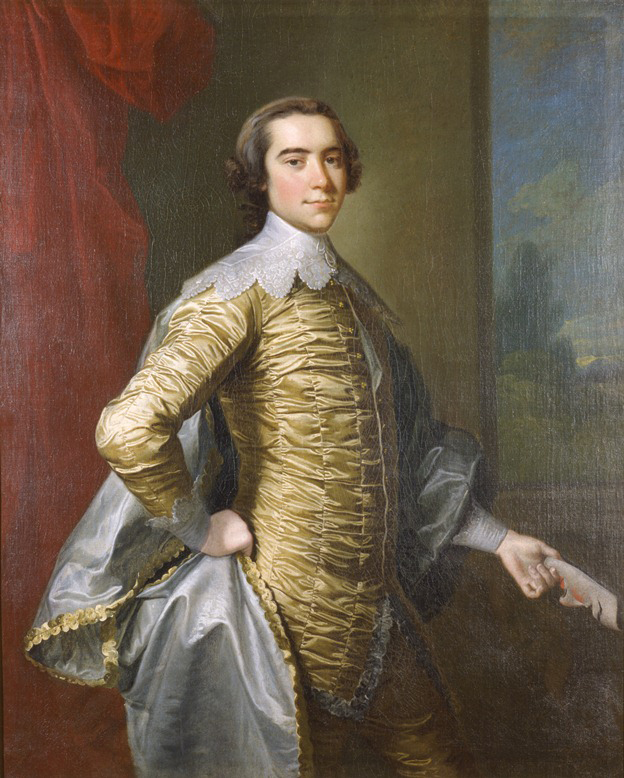
As part of its preparations for America's 250th anniversary, the Colonial Williamsburg Foundation has elevated the story of a forgotten Virginia planter who took the Declaration of Independence further than any of his peers, including the men who wrote it.
His name was Robert Carter III, and on September 5, 1791, he filed a legal document in Northumberland County, Virginia, beginning what is still the largest manumission of enslaved people by a single person in American history before the Civil War.
According to Colonial Williamsburg, Carter inherited 16 plantations and more than 450 enslaved people from one of the wealthiest families in Virginia. His grandfather, "King" Carter, had been one of the largest slaveholders in the colony. By any measure of his time, Robert Carter III could have lived comfortably as a Virginia gentleman, served in the Council of State, and never thought twice about the people who worked his land.
Instead, after a religious conversion in the late 1770s, he reached a different conclusion. According to the Bill of Rights Institute, Carter wrote in his Deed of Gift that to retain enslaved people was "contrary to the true principles of Religion & justice." He then spent the next several years methodically freeing more than 500 people. He paid their court fees, settled many of them on land he gave them, and wrote letters in support of those whose freedom papers were stolen.
The cost was enormous. According to Colonial Williamsburg, Carter's family opposed him bitterly. His son-in-law fought the manumissions in court. Neighboring planters resisted his efforts. Eventually he sent his own sons away to keep them from being shaped by plantation society and moved himself to Baltimore, where he lived out his final years quietly attending church alongside the Black neighbors who had once been his property.
Carter died in 1804 and asked to be buried in an unmarked grave at Nomini Hall.
His Virginia neighbors at the time included George Washington, Thomas Jefferson, and James Madison. None of them did what Carter did during their lifetimes.
According to Colonial Williamsburg, Carter "took the stated values of the American Revolution to their logical end: if all men were created equal, then no man could enslave another." Two hundred and thirty-five years after his Deed of Gift, the foundation that operates America's most-visited Revolutionary-era historic site has decided his story belongs in the 250th conversation.

Rick Good spent ten years in the newspaper business, including with The News & Observer (Raleigh, NC) and The Greenville News (Greenville, SC). He co-wrote, with Melinda Coleman, Rutledge to Riley: Governors of South Carolina, 1776–Present (Published by The Greenville News), and is the author of Mind Games Trivia #1 (Amazon). He has recently spent 15 years creating original trivia content through Sounds Good Mobile Entertainment and continues that with his new company, SGME Software. He edits The Smart Reader’s money, real estate, and business coverage.