Taking initiative is one of the most valued qualities in any workplace. It is also one of the easiest to get wrong.
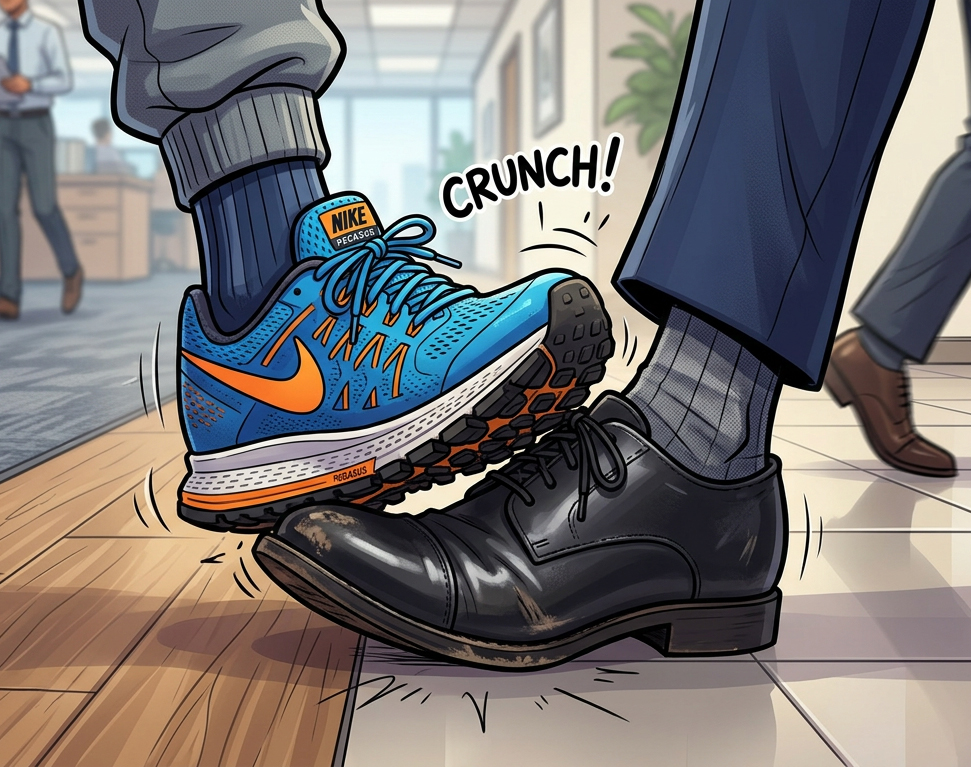
Done well, it looks like this: you notice something that needs to be handled, you handle it, and things run more smoothly because of you. Done poorly, it looks like this: you notice something, take action without context, and create a problem that did not exist before, or step on a colleague who was already handling it quietly.
The difference is usually information. Before you act, ask yourself a few questions. Is this actually mine to solve, or does it belong to someone else's role? Do I have the full picture, or just part of it? If I handle this without telling anyone, will it catch someone by surprise?
The best approach, especially early in a job, is to lead with an offer rather than an action. "I noticed the supply cabinet is getting low, would it be helpful if I placed an order?" is almost always better than simply placing the order. It signals awareness and willingness while giving your manager or colleague the chance to say "actually, we handle that differently."
Research published in Current Psychology found that proactive employees are significantly more likely to be promoted, but the effect was strongest when initiative was well-timed and clearly communicated to supervisors.
As you build trust and get to know how things work, you can act more independently. Initiative is a muscle. Build it gradually, communicate as you go, and you will become the person everyone is glad to have around.

Rick Good spent ten years in the newspaper business, including with The News & Observer (Raleigh, NC) and The Greenville News (Greenville, SC). He co-wrote, with Melinda Coleman, Rutledge to Riley: Governors of South Carolina, 1776–Present (Published by The Greenville News), and is the author of Mind Games Trivia #1 (Amazon). He has recently spent 15 years creating original trivia content through Sounds Good Mobile Entertainment and continues that with his new company, SGME Software. He edits The Smart Reader’s money, real estate, and business coverage.