
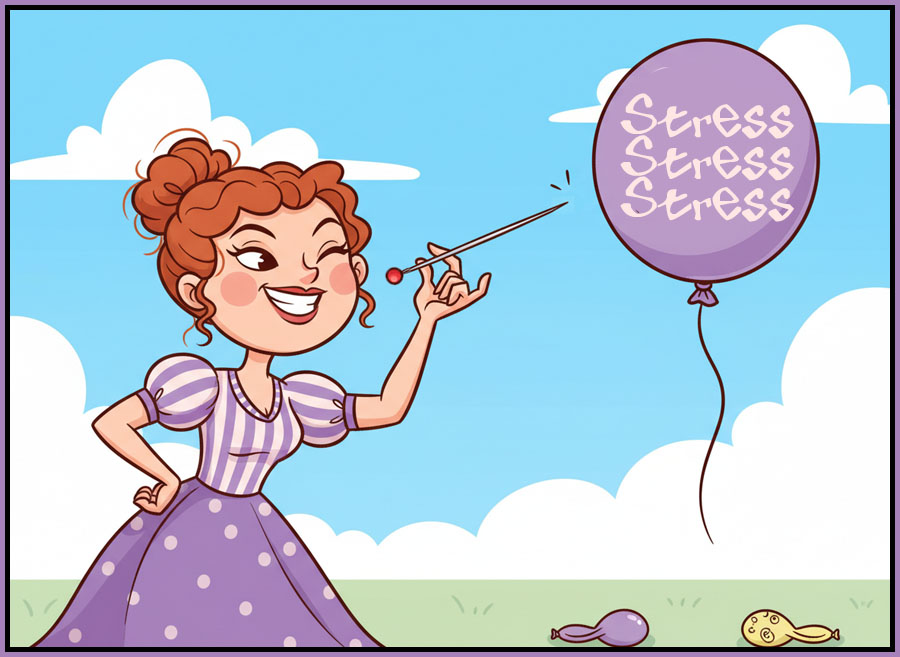
Stress isn't just about your emotions — it affects your physical wellbeing, too, with physical symptoms and potential health consequences that can manifest before you're even ready to acknowledge how stressed-out you really are.
Our body's natural stress response — the fight-or-flight instinct — helps us manage stressful situations. But according to the Cleveland Clinic, our stress response can wreak havoc on our bodies if we're struggling with chronic long-term stress, such as high-pressure jobs, long-term illness or financial hardship.
Some of the symptoms of chronic stress include:
* Body aches and pains
* Problems with sleep, such as extreme fatigue or insomnia
* Chest pain or a racing pulse
* Elevated blood pressure
* Headaches, dizziness, shaking
* More frequent illness from a weakened immune system
* Hives
* Psychological symptoms like anxiety, depression, or panic attacks
* Substance abuse
* Excessive gambling, shopping, or other compulsive behaviors
Chronic stress can also contribute to long-term problems with your immune, digestive, cardiovascular, and reproductive systems.
There are things you can do to manage stress and protect your health. Daily physical activity, positive thinking, and taking the time to set achievable goals can all help you manage day-to-day stress. Your doctor or a therapist can also evaluate your symptoms and determine whether medication or talk therapy might be appropriate for you.
Remember that stress happens in life. While you can't always control the sources of your stress, you can control how you respond to it.

Rick Good spent ten years in the newspaper business, including with The News & Observer (Raleigh, NC) and The Greenville News (Greenville, SC). He co-wrote, with Melinda Coleman, Rutledge to Riley: Governors of South Carolina, 1776–Present (Published by The Greenville News), and is the author of Mind Games Trivia #1 (Amazon). He has recently spent 15 years creating original trivia content through Sounds Good Mobile Entertainment and continues that with his new company, SGME Software. He edits The Smart Reader’s money, real estate, and business coverage.