Siri turned 15 this year. Alexa is 12. Google Assistant is 10. For a decade, they sold us a vision: an always-on digital helper that would run your home. What we actually got was a kitchen timer, a clock, and a way to play music. Then ChatGPT showed up in 2022 and quietly humiliated all three.
The big tech companies have finally noticed. All three voice assistants are being rebuilt this year, each one bolted onto a real AI model. Apple licensed Google's Gemini after its own efforts stalled. Amazon retrofitted Alexa with a generative AI layer. Google is replacing Google Assistant entirely.
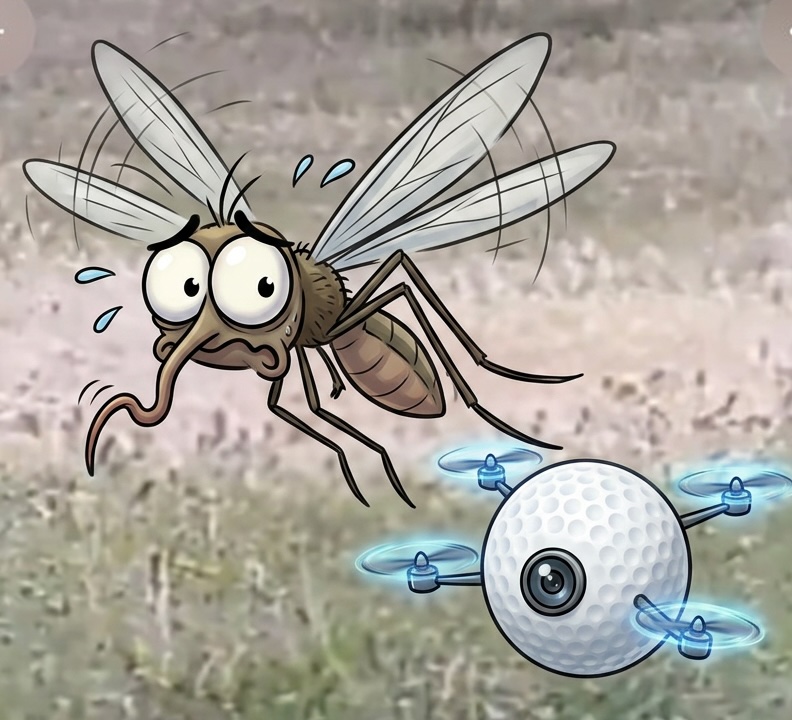
What this means is that the assistants war is really an AI war. The more integrated the AI, pods and cameras, the more useful for alerts, a skill still not fully developed. An assistant today might be able to say what it sees: Sergei walking the dog. But what would make it useful are smart alerts: The dog jumped the fence. The rice is boiling over. Leave now or you will miss your plane.
Right now a connected assistant can't reliably identify what it sees, so it could just as easily announce, "A rhino at the fence." Nor does an assistant today have any sense of what is important: "A leaf blowing" versus "A masked man at the door." But this could happen in future iterations of the products.

Briefs and quick reads selected and edited by The Smart Reader’s editorial team.