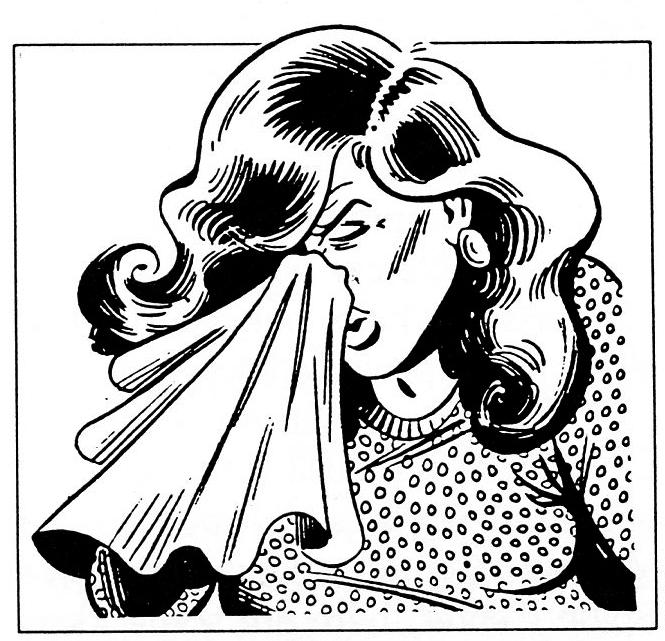
Ah, the beauty of the spring, when trees and flowers bud and bloom. And we sneeze. Or wheeze.
The Asthma and Allergy Foundation estimates that 50 million Americans suffer from seasonal allergies. If you are among them, there is plenty you can do to keep symptoms under control.
Allergists at Temple University say the spring season is intense because trees ramp up their production of pollen. They release as much pollen as possible in spring so it can be spread by the wind.
Avoidance is one solution.
Pollen counts are higher in the morning. Don't jog or play golf early in the day and avoid going out after it rains. Raindrops kick up the pollen.
If you have spent time outdoors, change your clothes and wash them.
Keep your windows closed and consider a high-quality indoor air purifier.
When none of these avoidance techniques work, over-the-counter medications can help. Newer antihistamines such as Claritin and Allegra tackle the symptoms better and don't make you sleepy.
If you have severe allergies, consider getting a skin test or blood test to determine what you are allergic to. Once you know, you could undergo a series of allergy shots. They will ultimately work, but could take a year or more to notice the effects.

Rick Good spent ten years in the newspaper business, including with The News & Observer (Raleigh, NC) and The Greenville News (Greenville, SC). He co-wrote, with Melinda Coleman, Rutledge to Riley: Governors of South Carolina, 1776–Present (Published by The Greenville News), and is the author of Mind Games Trivia #1 (Amazon). He has recently spent 15 years creating original trivia content through Sounds Good Mobile Entertainment and continues that with his new company, SGME Software. He edits The Smart Reader’s money, real estate, and business coverage.