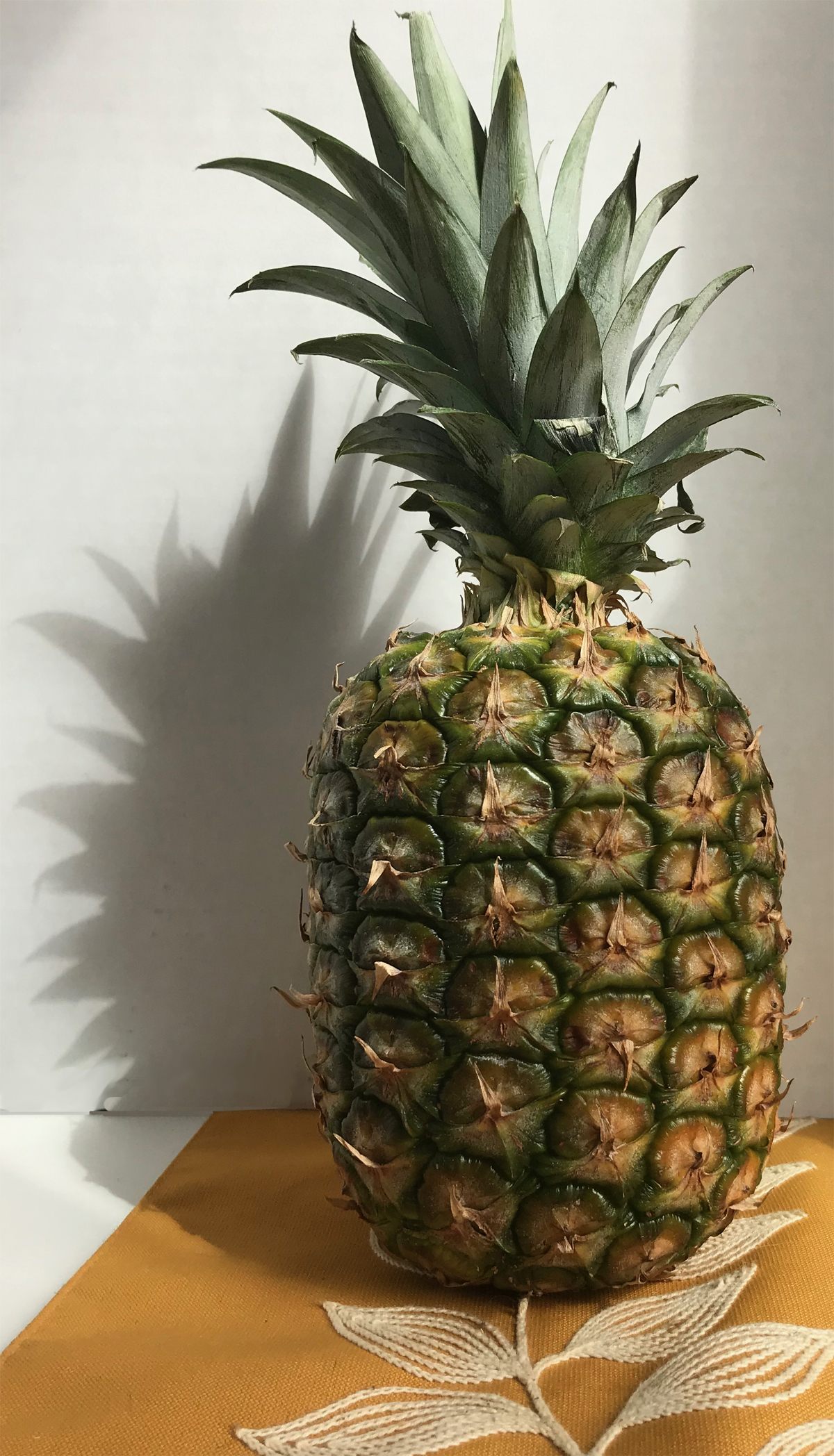
The sweet and juicy pineapple, a fruit fond of heat and tropical climes, has sailed the world's cultures to become an iconic message of welcome and hospitality.
Natives of tropical islands were the first to use the pineapple as a symbol of welcome, according to AtlasObscura.com. Seafarers of the 16th century noticed that natives of tropical climes displayed the fruit as an offer of hospitality, no doubt welcome after dangerous (and hungry) voyages.
From the time of the voyages of Columbus and for about 200 years later, the pineapple was so rare in Europe that, if one acquired the fruit, it was rarely served as food. Instead, it was displayed, especially at dinners, as a decoration (and status symbol).
Before it was successfully cultivated in European and American hot houses, pineapples were frightfully expensive. In North America, they could cost up to $8,000; up to 5,000 pounds in Europe. So they came to represent wealth, as well as welcome.
In later centuries, seafarers on clipper ships who traveled to South America and the Caribbean Islands returned to their New England and Canadian homes with pineapples. There the fruit was often spiked to a fence — a sign to the town that the seafarer was home. Residents of the area were then welcome to eat, converse, and hear tales of his adventures at sea.
No wonder the pineapple became the world's symbol of hospitality.
Today, the sharp-eyed tourist can find pineapple motifs spread liberally around hotels. In cities, look for them as often-stylized finials on fence posts or impressed into metal or concrete panels.
In Europe, churches began using the pineapple in the 1600s. They can still be seen as dangling pendant lights or decorations in some churches.

Rick Good spent ten years in the newspaper business, including with The News & Observer (Raleigh, NC) and The Greenville News (Greenville, SC). He co-wrote, with Melinda Coleman, Rutledge to Riley: Governors of South Carolina, 1776–Present (Published by The Greenville News), and is the author of Mind Games Trivia #1 (Amazon). He has recently spent 15 years creating original trivia content through Sounds Good Mobile Entertainment and continues that with his new company, SGME Software. He edits The Smart Reader’s money, real estate, and business coverage.