

If it were introduced today, aspirin would be a prescription drug, says Dr. John T. Farrar, quoted in Consumer Reports.
Aspirin, like all common over-the-counter pain relievers have drawbacks, some very serious. Aspirin works to block chemicals in the body that trigger pain and inflammation but it can also cause gastrointestinal bleeding.
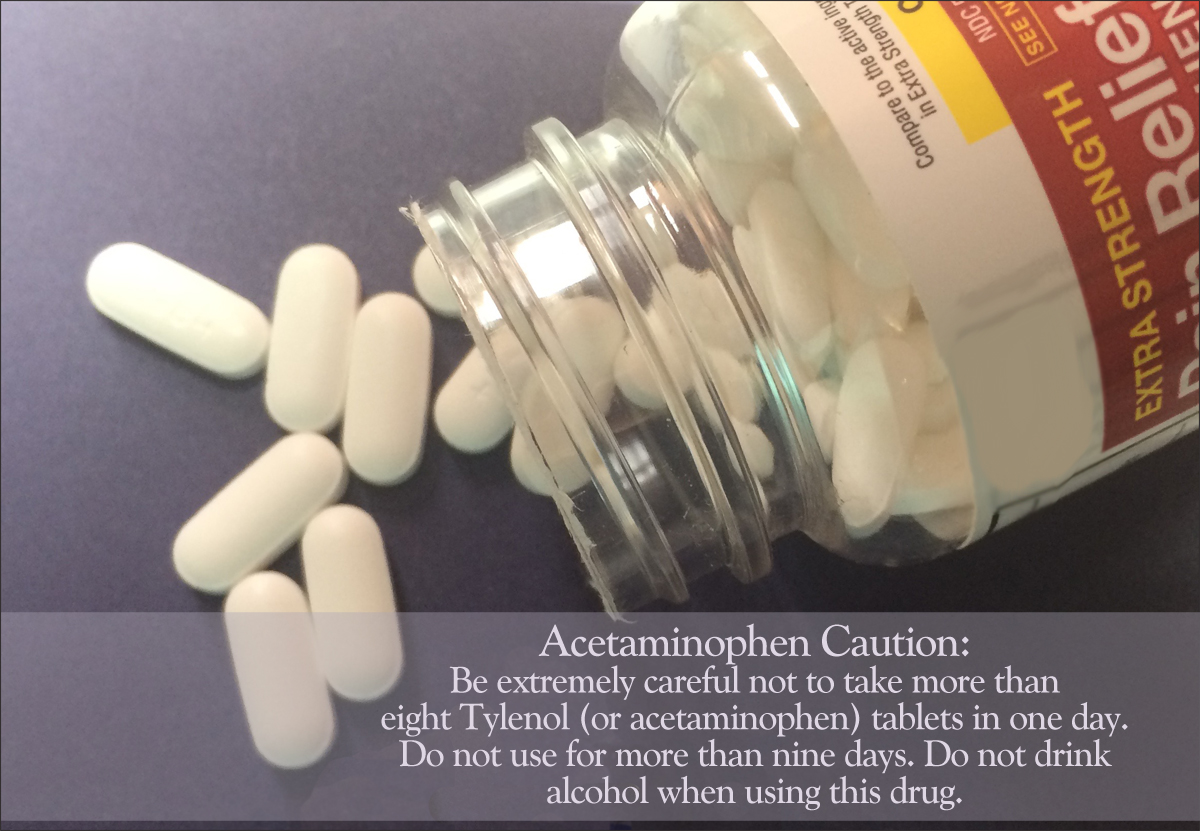
Tylenol (or acetaminophen) is effective but its side effects are no joke.
The label says acetaminophen can cause liver damage and that is a fact. According to the FDA, overdose of acetaminophen causes 450 deaths from living failure each year.
The maximum dose is 4,000 mg per day. That is eight pills. Take more than that or add four alcohol drinks and liver failure is an actual possibility. If you take even half that dosage when you are vomiting or fasting, liver failure is a serious possibility, according to several respect journal studies cited by the late Dr. Jay S. Cohen, in his article for lifeextension.com.
Acetaminophen can be found in cold/flu medicines, so read the bottle.
Also, the label on acetaminophen cautions users to take it no more than nine days in a row. Do not take this lightly. Liver damage and poisoning can take place after nine days. Believe it. So what can you take, in the absence of effective prescription painkillers?
One idea: Take one 500 mg acetaminophen and one 200 mg ibuprofen.
For headache and migraine:
Aspirin, ibuprofen, naproxen, and acetaminophen all are effective to treat tension headaches, according to Val Jones, MD. However, used more than nine days to a month, the medicines themselves can cause headaches and other side effects. Migraine headaches with nausea, vomiting, and light and sound sensitivity respond to aspirin, acetaminophen, and caffeine in combination, and ibuprofen. Be cautious or avoid using acetaminophen when you are vomiting.
Arthritis or joint inflammation:
Capsaicin (a derivative of chili peppers) cream works by depleting nerve endings of their primary pain transmission chemical (called, substance P, ), according to Jones. It takes between one and six weeks of regular application of the cream to experience the full pain-relief effects.
Aspirin, ibuprofen, naproxen, and acetaminophen all are effective.
Nerve pain: OTC pain relievers are not completely helpful. See your doctor.

Rick Good spent ten years in the newspaper business, including with The News & Observer (Raleigh, NC) and The Greenville News (Greenville, SC). He co-wrote, with Melinda Coleman, Rutledge to Riley: Governors of South Carolina, 1776–Present (Published by The Greenville News), and is the author of Mind Games Trivia #1 (Amazon). He has recently spent 15 years creating original trivia content through Sounds Good Mobile Entertainment and continues that with his new company, SGME Software. He edits The Smart Reader’s money, real estate, and business coverage.