
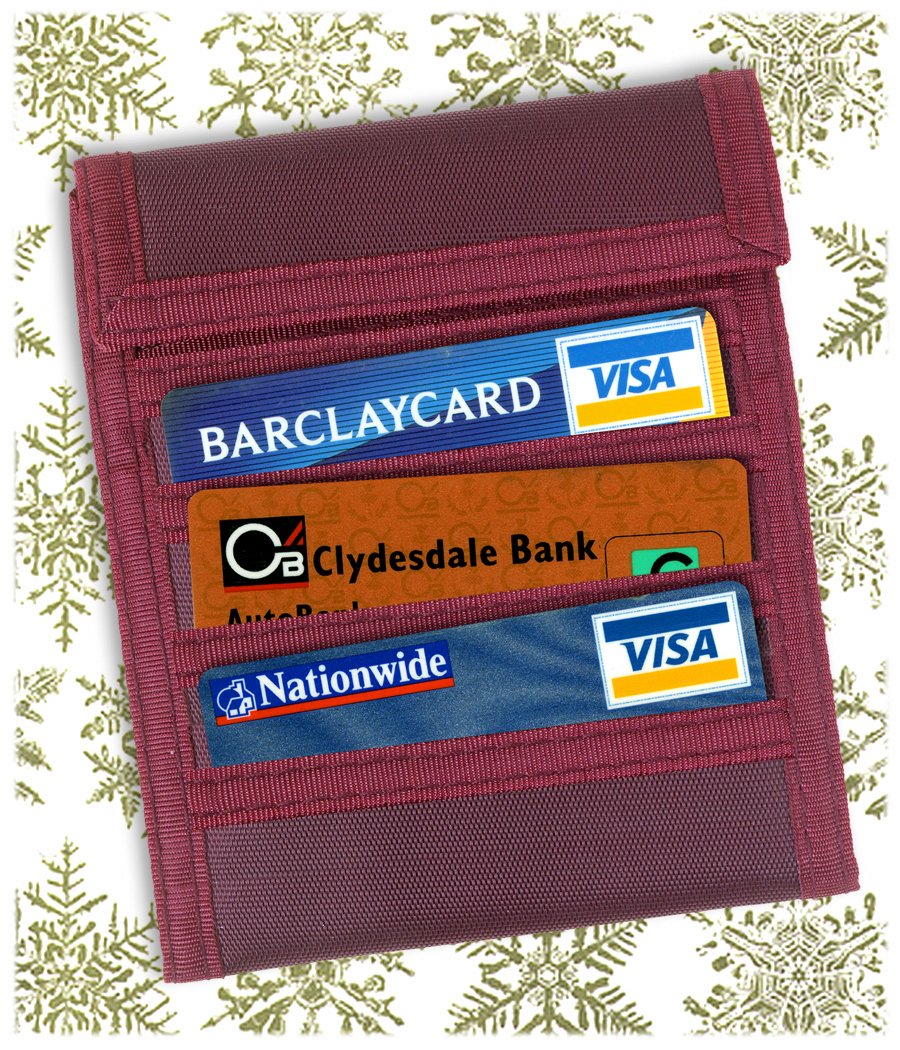
It seems like only yesterday that people first started to make online purchases, but according to Techcrunch, that phenomenon started way back in 1994 when users were first able to enter their credit card information into a website instead of swiping their card.
From that point, the next quarter of a century has shown the introduction of Paypal, Bitcoin, and a staggering number of other payment services, online wallets, and methods of transferring money. It is estimated that by the year 2020, 90 percent of smartphone users will have made a mobile payment of some kind.
Despite the myriad of choices, it seems that users are not quite convinced that mobile payments are right for them, yet. According to online payment analysis by Pymnts.com for instance, only around 20 percent of users have even used Apple's flagship service Apple Pay.
According to Techcrunch, there are a few reasons that users are not betting the farm on mobile wallets:
Security – Many people are still not sold on the idea that mobile payments are safe. In 2015, 62 percent of US smartphone users that don't use mobile wallets listed security as the reason.
Global Standards -It took charge cards and credit cards decades to reach a point of real standardization, and mobile wallets are still working through this. Standardization means that a user will not have to worry about not being able to use their wallet in the store next door or the neighboring country when on holiday.
Fragmented Technology – Currently, the major mobile wallet players are using three completely different techniques behind their products. NFC (Near Field Communication), code based and cloud-based payments are all competing against each other.
Old habits – At this stage of the game, it is only the early adopter crowd that has jumped into the mobile payments ring. The vast majority of users are still satisfied with their current banking system because they feel it is more secure and that they have access to rewards and other incentives.
Eventually, the market will realize that it cannot remain fragmented forever and hope to go mainstream. As providers continue to evolve their services, a standard will emerge that will help to unite the various players under one roof and provide all of the features that users are demanding.
Until that time, it is every wallet for itself.

Briefs and quick reads selected and edited by The Smart Reader’s editorial team.