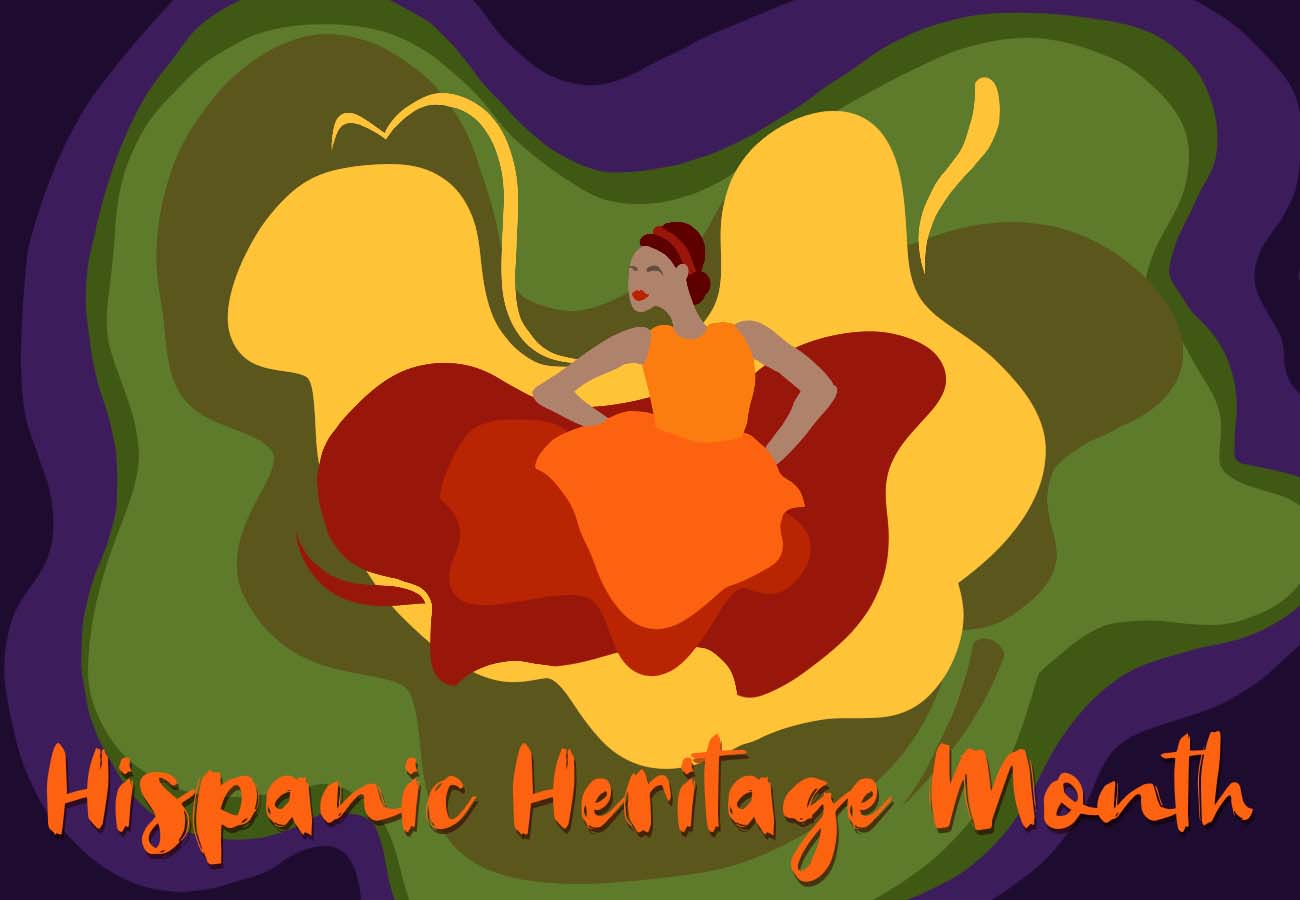
Nowhere is the influence of cultures seen better than in Latin dance, where European, African, Aztec, and Inca moves merged to form the classic, romantic, and dynamic dances of Latin America.
In sub-saharan Africa, people moved the whole body to drum beats, using simultaneous rhythms of torso, leg, arm and head movements. Leaping is still part of Maasai dance, according to Kennedy-center.org. Couples dancing isn't emphasized.
From Aztec and Incan culture, European colonizers reported highly structured, large group precision of indigenous dance.
Meanwhile, medieval European court dancing, while poorly documented, seems to have involved couples stepping together in circles, touching hands, but not full bodies.
From these influences bloomed spectacular Latin dances, often performed now in ballrooms. The Salsa, from the Caribbean, has strong African influences and features sharp turns and spins, according to Passion4Dancing.
The Merengue, from the Dominican Republic, is a couples dance featuring march-like moves to a strong beat. The sensual Bachata, from the Dominican Republic, a 4-beat dance, starts with spins and flourishes, punctuated by the couple closely embracing.
Cuban dances include the Rumba, Cha Cha and Mambo, all similar, featuring forward and backward stepping. The cha cha adds a quick set of three steps, that the couple can count off as cha, cha, cha.
In Brazil, the lively and sexy Samba comes in many forms for couples and individuals. Musical speed can vary. It features knee bounces, hip shaking, and rolls and turns.
There is also the seductive Tango, born in Buenos Aires brothels in the 20th century. Very stylized, the moves are slow and staccato, with dancers highly focused on their partners.

Rick Good spent ten years in the newspaper business, including with The News & Observer (Raleigh, NC) and The Greenville News (Greenville, SC). He co-wrote, with Melinda Coleman, Rutledge to Riley: Governors of South Carolina, 1776–Present (Published by The Greenville News), and is the author of Mind Games Trivia #1 (Amazon). He has recently spent 15 years creating original trivia content through Sounds Good Mobile Entertainment and continues that with his new company, SGME Software. He edits The Smart Reader’s money, real estate, and business coverage.