
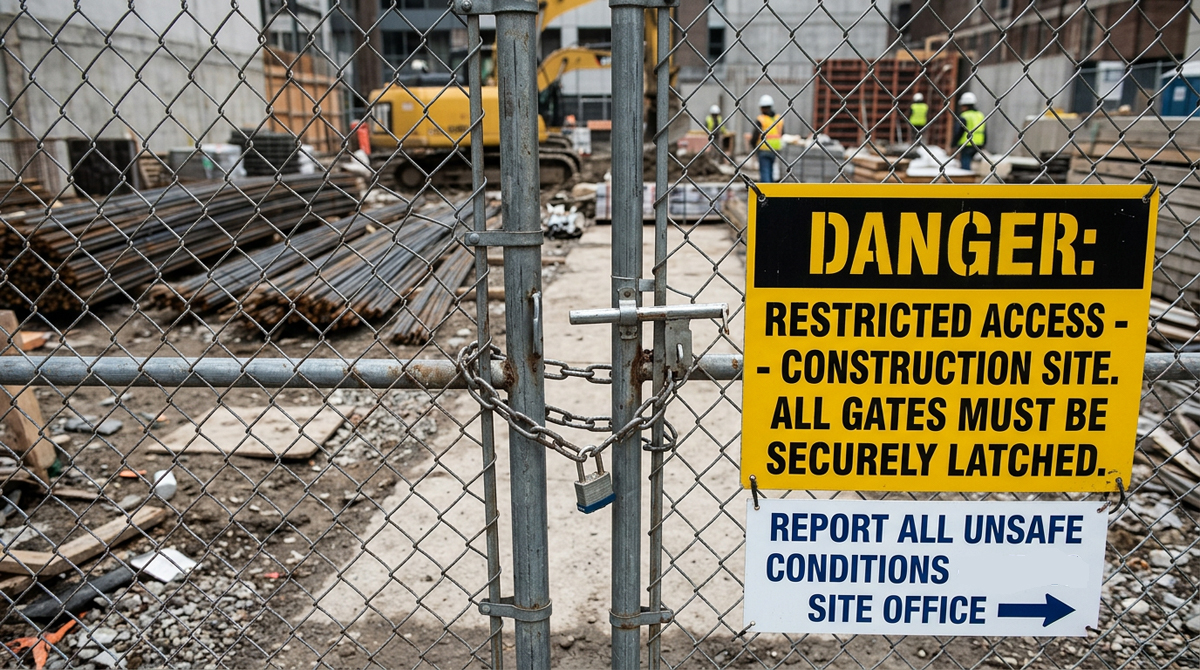
Here is a number worth remembering: for every serious workplace injury, there are roughly 300 near-misses that came before it. That is the finding behind what safety researchers call the Safety Triangle, first described by H.W. Heinrich and later expanded by Frank Bird. The pattern is consistent across industries, small hazards that go unaddressed eventually become big ones.
The catch is that most of those 300 near-misses never get reported. A 2025 National Safety Council survey found that 78 percent of serious incidents were preceded by warning signs that nobody flagged. That is not because workers do not notice problems. It is because they wonder whether reporting is worth the trouble, or worry about how it will be received.
Here is what the law says: under Section 11(c) of the Occupational Safety and Health Act, every worker has the right to report unsafe conditions without fear of retaliation. You do not have to prove that a hazard will definitely cause harm. You just have to report it in good faith.
And it works. The aviation industry's confidential near-miss reporting system has helped reduce fatal commercial accidents by 65 percent since 1976. When people speak up early, problems get fixed before anyone gets hurt.
If a railing is loose, a chemical label is missing, or a walkway is blocked, say something. You are not being difficult. You are doing exactly what a strong safety culture depends on: catching the small problems before they become the big ones.

Rick Good spent ten years in the newspaper business, including with The News & Observer (Raleigh, NC) and The Greenville News (Greenville, SC). He co-wrote, with Melinda Coleman, Rutledge to Riley: Governors of South Carolina, 1776–Present (Published by The Greenville News), and is the author of Mind Games Trivia #1 (Amazon). He has recently spent 15 years creating original trivia content through Sounds Good Mobile Entertainment and continues that with his new company, SGME Software. He edits The Smart Reader’s money, real estate, and business coverage.