Among jobs with cool factor, roller coaster designer has to rank pretty high. You get paid to create something that will scare the dickens out of people and then give it a name like Intimidator 305, Fury 325, or Formula Rossa (which reaches speeds of 150 mph).
But how are roller coasters designed, and how does someone get into that field?
It takes a lot of brains. Roller coaster design is serious business, and takes a tremendous amount of engineering and physics to ensure that riders get delirious in a safe manner. A team of designers typically includes mechanical engineers, electrical engineers, and structural engineers.
It's also a very competitive field without a lot of job openings, according to a story on Monster.com. In addition to tech chops, you'll need social skills to do the requisite amount of networking to get noticed. And patience: coasters can take two or three years (or more) from concept to completion.
Though roller coaster designers work 9-5 jobs for the most part, they also tend to travel a lot. And when a coaster gets close to opening day, the hours can be all-consuming.
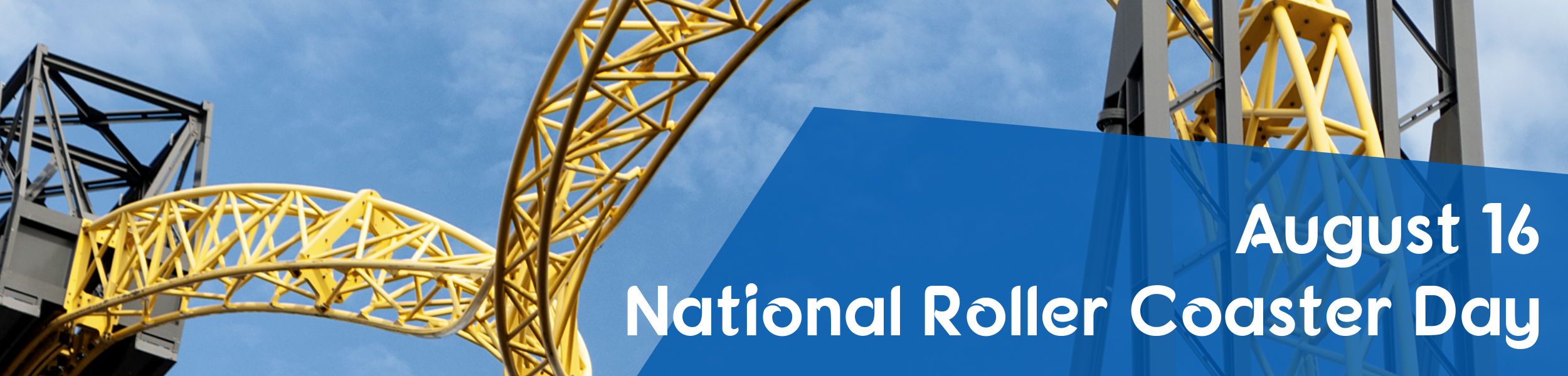
If engineering isn't your thing but G-forces are, you can celebrate on Aug. 16, National Roller Coaster Day. Or play the video game RollerCoaster Tycoon — which, as it turns out, is how a good number of designers apparently got their start.

Rick Good spent ten years in the newspaper business, including with The News & Observer (Raleigh, NC) and The Greenville News (Greenville, SC). He co-wrote, with Melinda Coleman, Rutledge to Riley: Governors of South Carolina, 1776–Present (Published by The Greenville News), and is the author of Mind Games Trivia #1 (Amazon). He has recently spent 15 years creating original trivia content through Sounds Good Mobile Entertainment and continues that with his new company, SGME Software. He edits The Smart Reader’s money, real estate, and business coverage.