It's commonly called Industry's Fourth Utility. Compressed air powers many industrial tools because it's often less expensive and more convenient than electricity for certain tasks.
The psi (pounds per square inch) ratings of tools used in heavy industry, such as for breaking up concrete, are far higher than those for maintenance and general cleaning.
For cleaning purposes, OSHA regulations (29 CFR 1910.242(b)) require that compressed air be reduced to less than 30 psi'specifically referring to the static (dead-end) pressure at the nozzle when obstructed'to prevent serious injury, and only with effective chip guarding and personal protective equipment.
Compressed air is dangerous. Before grabbing an air hose…
– Make sure you have an air line. Hose lines can cross, so you might accidentally attach to a gas or water line.
– Use a hose that is in good condition. It can weaken at bends, kinks, or connections to valves and nozzles. If it bursts, it can whip violently and scatter fragments.
– Keep the hose off the floor, where it's a trip hazard and vulnerable to damage from vehicles, doors, or falling tools.
– When not in use, coil the hose without kinks and hang it over a broad support, not a narrow hook or nail.
– When you have a choice, use the lowest effective pressure. Less than 30 psi (static) is sufficient for blowing dust or particles from jigs, fixtures, and holes, especially with modern safety nozzles that allow higher dynamic flow while venting excess if dead-ended.
– Pressure exceeding safe limits can propel chips, scale, or debris from piping into your face and eyes.
– Compressed air against the skin can penetrate deeply, causing air embolism, internal hemorrhage, intense pain, or worse if it enters the bloodstream. Air forced into body openings can rupture organs and be fatal.
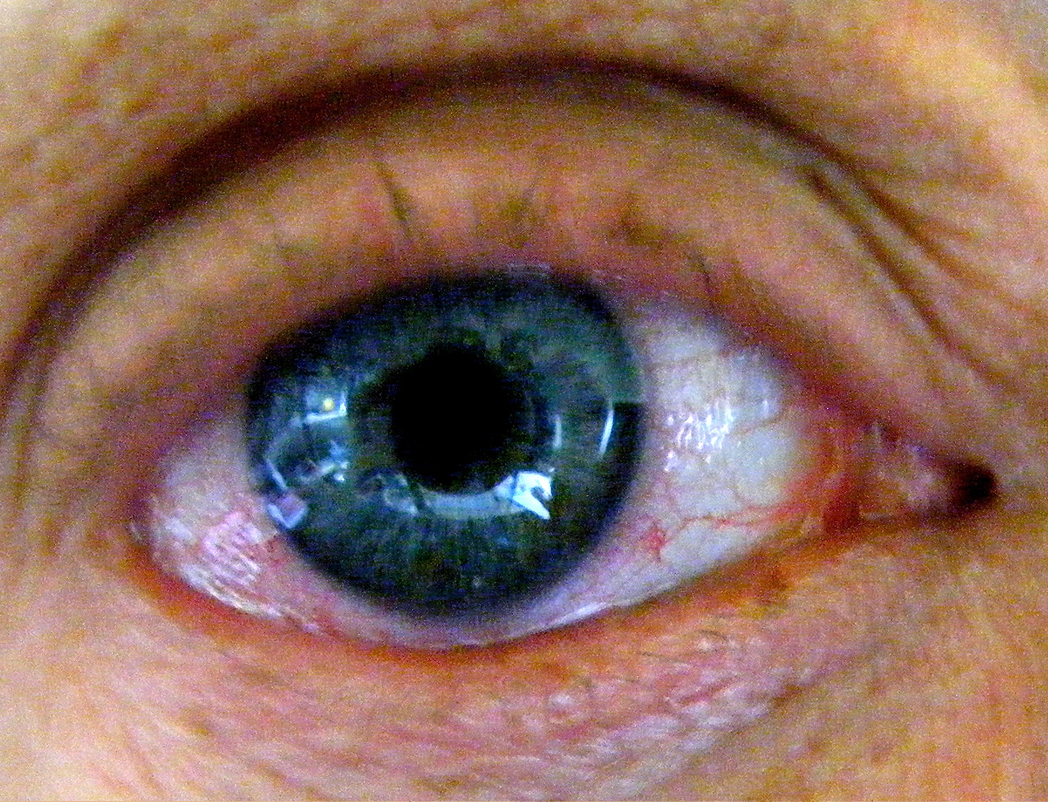
– Even at relatively low pressures, blasts can dislodge an eye from its socket or rupture an eardrum.
– The nozzle of an air hose is a deadly weapon. Never point it at anyone, including yourself. Never use it to clean dust from your clothes, as particles can be driven into your lungs.

Rick Good spent ten years in the newspaper business, including with The News & Observer (Raleigh, NC) and The Greenville News (Greenville, SC). He co-wrote, with Melinda Coleman, Rutledge to Riley: Governors of South Carolina, 1776–Present (Published by The Greenville News), and is the author of Mind Games Trivia #1 (Amazon). He has recently spent 15 years creating original trivia content through Sounds Good Mobile Entertainment and continues that with his new company, SGME Software. He edits The Smart Reader’s money, real estate, and business coverage.