


Collectors drawn
to the quest,
history of objects
Most people have heard of stamp or coin collecting, but the world of collectibles runs far deeper and stranger than that.
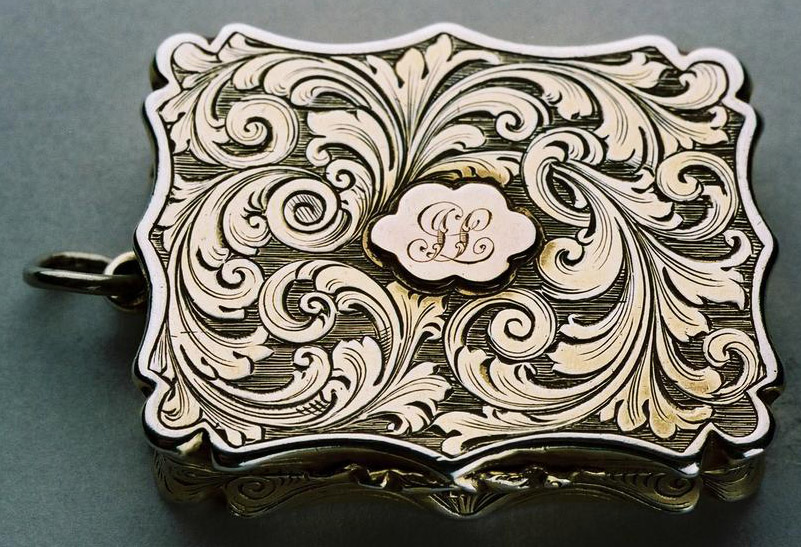
Victorian figural napkin rings, sewing birds, poison bottles, caddy spoons, vinaigrettes (tiny cases for smelling salts), vesta (match) cases, and glass telegraph insulators all command devoted followings — and sometimes surprising prices. A rare toothpick holder recently sold for $13,500. A mechanical cast iron bank can fetch several thousand. A tiny silver vinaigrette with a scenic engraved lid might outshine jewelry at auction.
What draws collectors to such obscure objects? Oddly, these items tend to share a handful of traits. They are small and portable, once commonplace enough to be produced in quantity, but not so treasured that people thought to preserve them carefully. That tension — mass-produced yet largely lost to time — is exactly what makes surviving examples scarce and desirable.
They also tend to come in enough variations to make collecting feel like a quest. Caddy spoons were made in dozens of shapes. Poison bottles came in scores of colors and embossed designs. That variety rewards deep knowledge, and deep knowledge is what separates a serious collector from a casual browser at an antique fair.
Finally, these objects carry a whiff of a vanished world. A sewing bird once clamped to a parlor table. A vesta case once slipped into a waistcoat pocket. A vinaigrette once revived a swooning lady. They are, in a sense, tiny time capsules — and that is perhaps their greatest appeal of all.