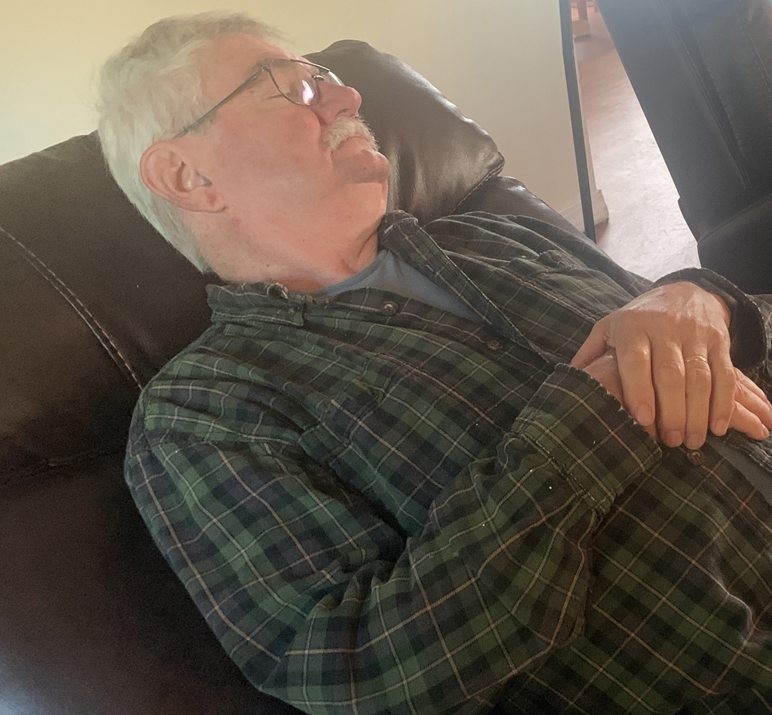
Older people are working longer in life. Young people are working later in life.
That adds up to an aging workforce that has companies balancing multiple retirements and loss of experience with the search for new employees, according to The Wall Street Journal.
According to U.S. News, in 1994, the median age of all U.S. employees was 37.7 years old which moved to 40.3 in 2004, 41.9 by 2014, and it is expected to rise further to 42.4 by the year 2024. The most significant driving factors for this trend are that people tend to work longer before retirement and young people are participating less in the workforce. This is true even though Millennials and Generation X workers outnumber the Baby Boomer workers.
The number of workers that were at least 55 years or older and still working ballooned by 48 percent between 1994 and 2004 and then another 47.1 percent between 2004 and 2014. This led to the average age of a retiree during that last year being 62. (For most of the Baby Boomer generation, the official social security retirement age is 66.)
The recession of the 1990s is thought to have hit retirement accounts, such as the 401K, hard enough to keep many in the workforce. This, coupled with life issues — debt and spouses with chronic medical issues — have impacted the decision of older workers to stay in the job.
Meanwhile, only 55 percent of people between the ages of 16 and 24 were either actively working or searching for a job in 2014 compared to more than 66 percent a decade prior. That number is expected to be less than half by 2024. Significant increases in summer school, college, and secondary school attendance have played a substantial role with individuals joining the workforce at a later age.
An aging workforce can lead to challenges for employers and employees alike as they struggle to find a balance between the need for new talent, the value of experience, and looming retirement dates, according to The Wall Street Journal.

Allyson Good curates senior living, health, and family content. She is formerly the Managing Editor of Active Life, a print newspaper published in 2016-2017 for seniors, choosing practical articles on health, money, safety, and everyday living for older readers. She is also an avid gardener and offers up Garden Hints and Tips on a regular basis.