You've probably heard of Alexa or Google Assistant, the friendly voices that answer questions, play music, and set reminders. A recent survey found that 78 percent of adults over 55 already use AI-powered tools like these. But how exactly do you get one?
The good news: it's simpler than you might think. Alexa lives in a small Amazon Echo speaker, about the size of a coffee mug, that sits on a countertop and responds when you say her name. Google Assistant works the same way through Google Nest devices, and both are also available as apps on your smartphone or tablet. No typing required.
Once set up, both can be customized to fit your life. You can link family members' names so calling a loved one is as simple as saying "Alexa, call my daughter." In an emergency, a quick "Hey Google, call emergency services" connects you to 911. Amazon's Urgent Response service, available through a monthly subscription, goes further, connecting you to a live agent around the clock.
One of the most exciting options for seniors is Luna, from a company called Cairns Health. Priced at $99 a month, Luna sits quietly in your home and does much more than answer questions. It monitors your heart rate and breathing without any wearable device, reminds you to take medications, and checks in on your daily routine through friendly conversation. But perhaps its nicest feature is that it genuinely talks with you, not just at you. Luna is designed to have warm, natural back-and-forth conversations, and it even offers memory games and cognitive exercises woven into its daily chats, so mental engagement comes naturally. It can also alert family members or caregivers if something seems off, a meaningful safety net without the stigma of an emergency button.
AI companions won't replace the people you love, but they're getting remarkably good at filling the quiet hours in between.
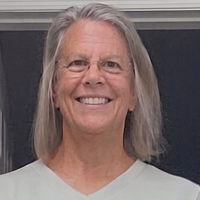
Allyson Good curates senior living, health, and family content. She is formerly the Managing Editor of Active Life, a print newspaper published in 2016-2017 for seniors, choosing practical articles on health, money, safety, and everyday living for older readers. She is also an avid gardener and offers up Garden Hints and Tips on a regular basis.