Researchers have discovered that the supervolcano inside Yellowstone has a helpful cap that holds in heat and pressure, but also vents enough so that the whole system doesn't flip its lid.
The cap is located nearly 3 miles under the surface, according to findings published in the April 2025 journal Nature.
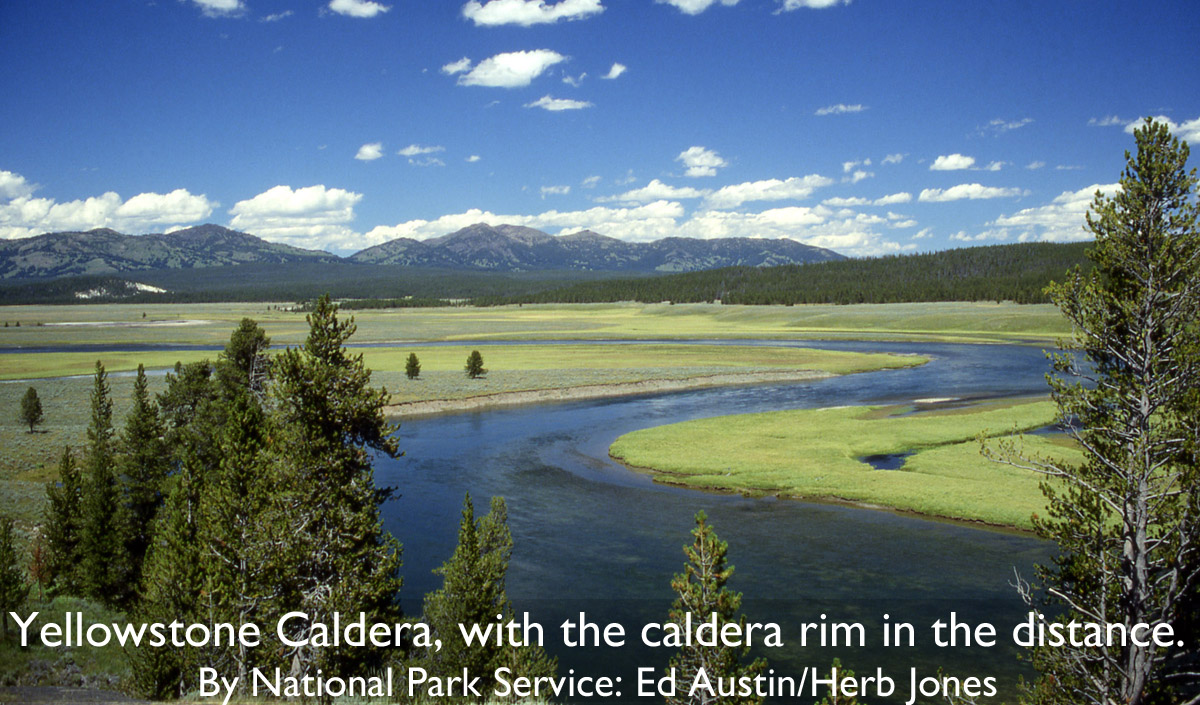
According to Live Science, Yellowstone hasn't had a major eruption for more than 600,000 years. That's a good thing because the Yellowstone caldera measures about 30 by 45 miles, covering more than 1,300 square miles. There is so much magma that it could fill the Grand Canyon 11 times, according to the journal Nature. But, the good news is that only about 15 percent is molten.
Yellowstone is one of the best-monitored volcanos in the world. A supereruption would cover at least two states in three feet of ash, create a volcanic winter, destroy crops, and deplete the ozone layer. Fortunately, scientists think that is unlikely to occur anytime soon and, if the volcano became dangerous, they would know years ahead of an eruption.

Briefs and quick reads selected and edited by The Smart Reader’s editorial team.