
Bruce Willis has retired from acting after being diagnosed with aphasia, a condition that causes people to lose the ability to understand and/or express speech. Obviously, that's a big deal as far as a career in acting is concerned. And yet, Willis appeared in a Russian phone commercial in 2021. How did this happen? The magic of so-called deepfakes.
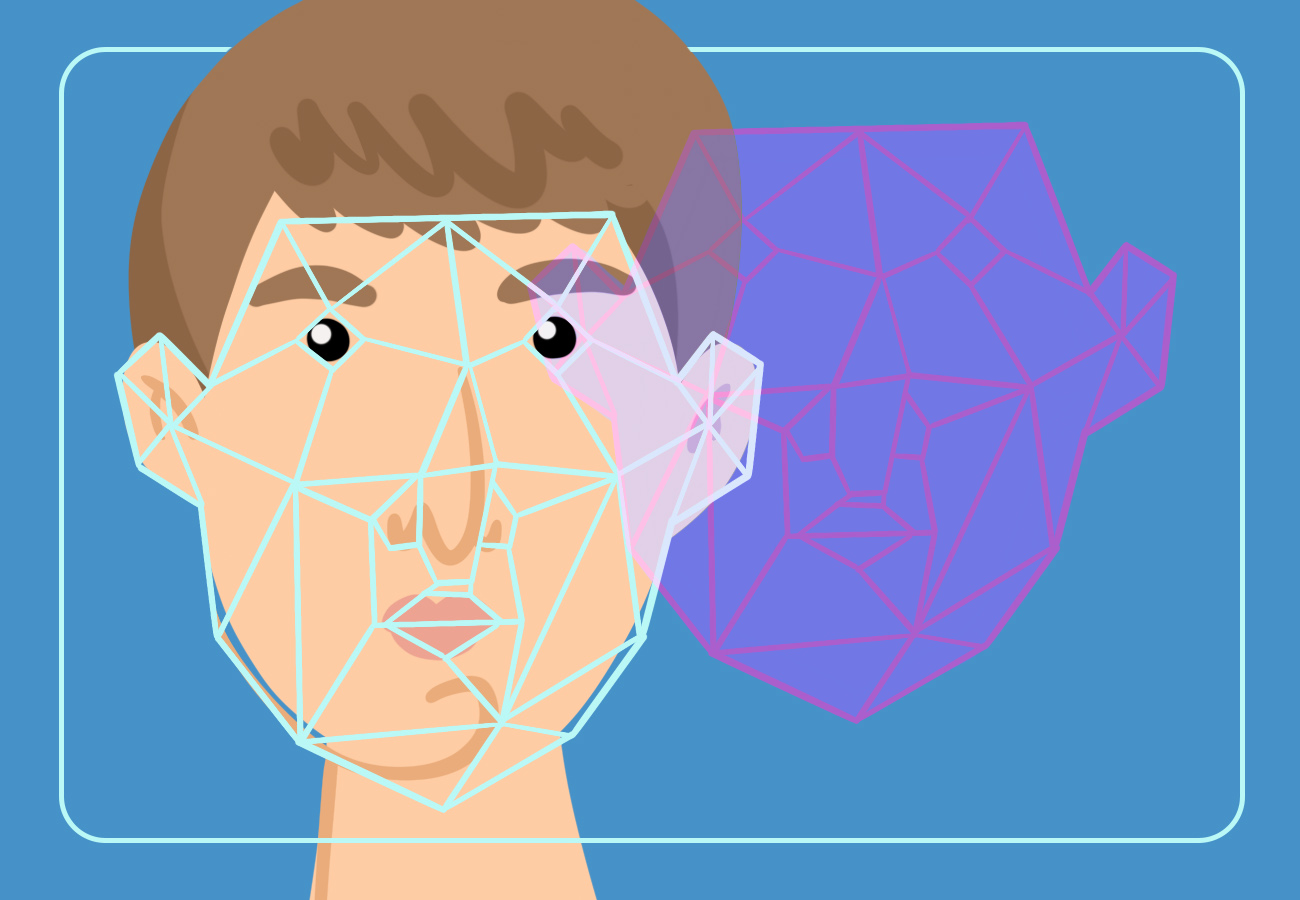
Computer graphics and related technologies have advanced tremendously over the years. It's now possible to create images of people that rival the real thing. Thus, Willis was able to appear in the phone commercial without traveling to Russia. Willis worked with Deepcake, which claims they can make digital twins of people. They use actors to simulate the person's body, but then superimpose the actor's face onto the body.
For Bruce Willis, deepfakes have been a boon. Even with his health condition, he was able to participate in an international project. The final product, with a Bruce Willis deepfake, was quite convincing. In Hollywood, deepfakes have allowed a young version of Luke Skywalker to return to the screen, as well as a young Princess Leia in Rogue One.
Initial reports indicated that Mr. Willis may have sold full rights to his likeness to Deepcake, but the company and actor have since pushed back against those claims. It seems that Mr. Willis is still in charge of his own image, but he may well appear in future commercials.
It takes more than images to make a convincing deepfake. Voice is also vital, but imitating a famed person's voice is also possible and perhaps a bit more straightforward. James Earl Jones, the voice behind Darth Vader, has already sold rights to his voice, allowing Disney to recreate his voice with AI and other tools.
For older actors looking to extend their careers, deepfakes may offer an easy, relaxing way to do so.

Briefs and quick reads selected and edited by The Smart Reader’s editorial team.