
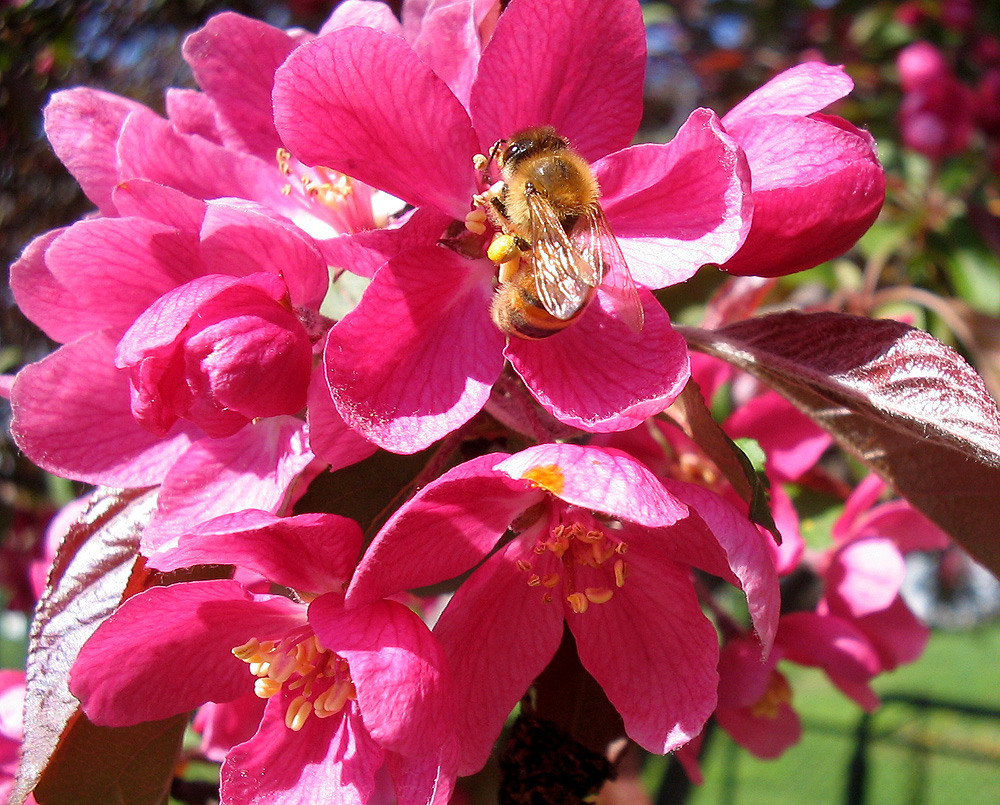
Backyard and urban beekeeping has been quietly booming for years, showing up on city rooftops, suburban lots, and rural properties alike. The appeal is real, fresh local honey, a genuine contribution to pollinator health, and the satisfying experience of tending something wild and alive. If you have been curious, here is what to know before you start.
A healthy hive produces remarkable quantities of honey, a productive colony can yield 60 pounds or more in a good season. Beyond honey, bees are tireless pollinators. A hive on your property benefits every flowering plant in the surrounding area, which means better gardens, better fruit trees, and a healthier local ecosystem. Many beekeepers report that the practice itself is unexpectedly calming, the focused attention required has a meditative quality.
Beginning beekeepers typically start with one or two hives. A basic setup, hive boxes, frames, protective gear, and a smoker, runs a few hundred dollars as an initial investment. Most experienced beekeepers recommend taking a beginner course before acquiring bees, and local beekeeping associations exist in most areas. Bees can be ordered through reputable suppliers in early spring.
Bees forage widely and neighbors may find them unwelcome on their patio or around their pool. Good beekeeping etiquette includes positioning hive entrances away from property lines, planting screening hedges if possible, keeping hives well-watered so bees don't seek water elsewhere.

Rick Good spent ten years in the newspaper business, including with The News & Observer (Raleigh, NC) and The Greenville News (Greenville, SC). He co-wrote, with Melinda Coleman, Rutledge to Riley: Governors of South Carolina, 1776–Present (Published by The Greenville News), and is the author of Mind Games Trivia #1 (Amazon). He has recently spent 15 years creating original trivia content through Sounds Good Mobile Entertainment and continues that with his new company, SGME Software. He edits The Smart Reader’s money, real estate, and business coverage.