
Submersible industry hopes to keep sailing on
When the ill-fated OceanGate Titan submersible suffered a catastrophic failure while en route to the wreck of the Titanic, some wondered if the tragedy may have sunk the submersible industry.
But several companies are still making submersibles, both for scientists and tourists.
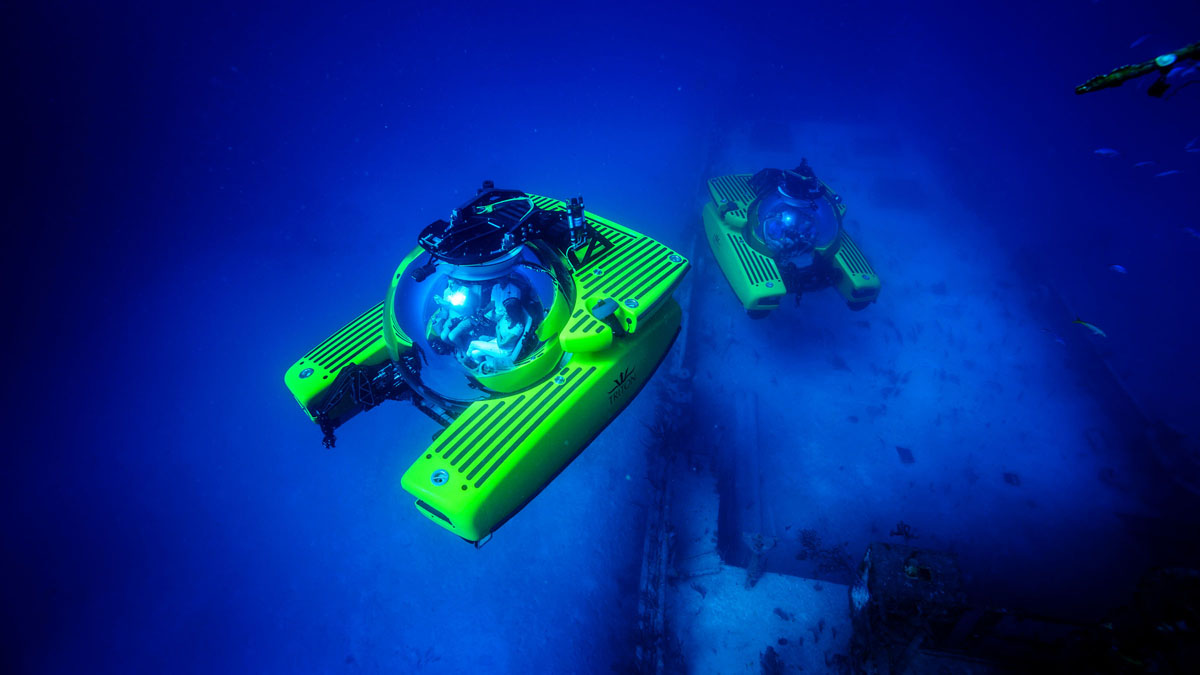
Companies like Triton Submarines are leveraging cutting-edge — but proven — technology to produce highly advanced submersibles that have already explored ocean depths much greater than the wreck of the Titanic for research and scientific purposes. Its investors include James Cameron, the legendary director of Titanic, Avatar, and Terminator 2, and an experienced deep sea explorer in his own right. Cameron himself successfully piloted a submersible to the bottom of the Challenger Deep — the deepest place on Earth. Cameron's vessel, the Deepsea Challenger, reached a depth of 35,000 feet. The Titanic lies about 12,500 feet below the surface.
Triton Submarines produces Deepview, a submersible that resembles a transparent acrylic bus and can seat between 12 and 96 people. The large capacity allows Deepview carry entire classes of students or tour groups on underwater adventures to reefs, for example.
Other companies, such the Dutch firm U-Boat Worx, also build high-quality submersibles that seat between two and nine people.
The Vinpearl resort on Hon Tre Island in Vietnam now offers submarine tours of reefs and shipwrecks, with tickets starting at just $60.
It remains to be seen whether the OceanGate submersible will take the sparkle off of underwater tourism, but underwater is still the best vantage points to view sea life. Adventure tourism, which includes underwater tours, is growing. Grand View Research projects that adventure tourism will enjoy a compound annual growth rate (CAGR) of about 15 percent from 2022 to 2030.