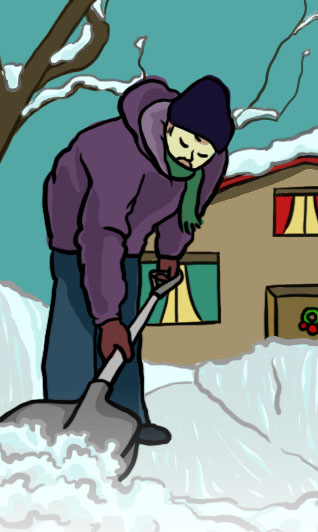
Four conditions determine whether a person who is working outside will develop hypothermia: temperature, rain, wind, and inappropriate clothing. A combination of two or more can result in this life-threatening medical emergency.
People most associate hypothermia with very cold days. But at temperatures in the 60s and 70s, it can easily happen if someone is wet, say doctors at the University of Tennessee Lifestar Air Medical Helicopter Transport Service in Knoxville.
It's important to take steps to avoid hypothermia yourself. But because fellow-workers may not be aware that they need medical treatment, it's up to those nearby to take care of them.
Watch for these symptoms in yourself and others: shivering, slurred speech, poor coordination, and confusion. When people with hypothermia stop shivering, they can lose consciousness and die if not treated.
Contrary to what many people think, alcohol does not warm up a cold person. Rather, it interferes with the body's ability to retain heat. Never drink alcohol to keep warm or give it to others. To prevent hypothermia:
* Dress appropriately and stay dry. Wear several layers of clothing, and a wind-blocking jacket.
* In rain, cover yourself with a poncho or a plastic trash bag if that's all that is available. Water causes heat loss 30 times faster than air, according to the National Safety Council.
* If a co-worker or friend is shivering and behaving oddly, get the victim to a warmer place. If he is wet, get him dry. Until medical help arrives, use a blanket or your own body to warm him.
Inexperienced campers and hikers can be hypothermia victims. If a fellow camper begins to shiver and do crazy things, that could be a warning sign. To increase warmth, get into a sleeping bag with him.

Rick Good spent ten years in the newspaper business, including with The News & Observer (Raleigh, NC) and The Greenville News (Greenville, SC). He co-wrote, with Melinda Coleman, Rutledge to Riley: Governors of South Carolina, 1776–Present (Published by The Greenville News), and is the author of Mind Games Trivia #1 (Amazon). He has recently spent 15 years creating original trivia content through Sounds Good Mobile Entertainment and continues that with his new company, SGME Software. He edits The Smart Reader’s money, real estate, and business coverage.