The Niger Delta red colobus monkey lives in a swamp so dense and remote that scientists did not formally describe it until 1993. By 2021, researchers estimated only about 200 remained, down from roughly 10,000 in the 1990s. Then the animal began to recover — and much of the credit belongs to one Nigerian conservationist.
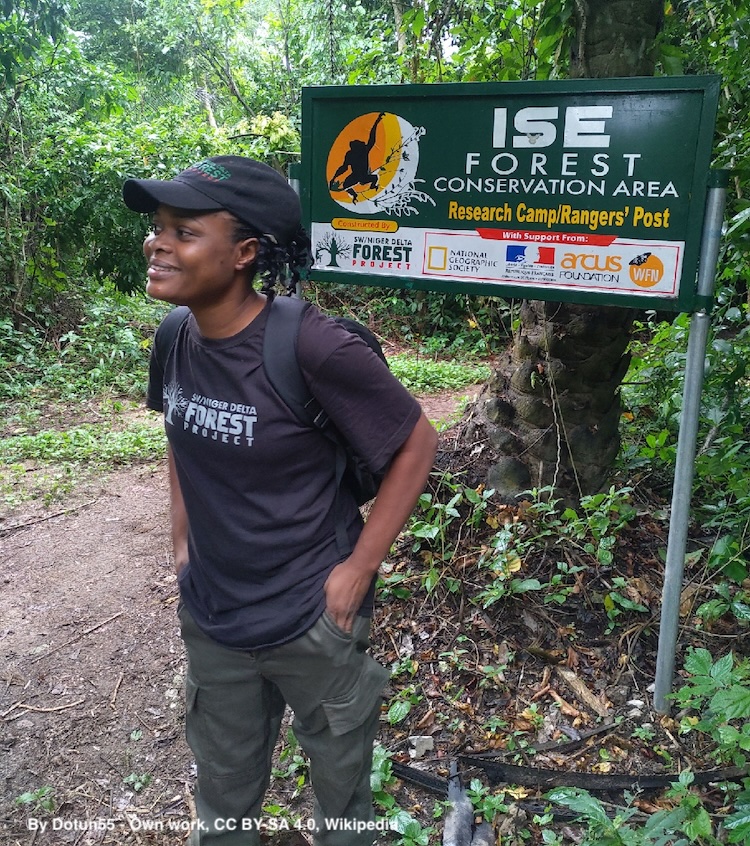
Rachel Ikemeh founded the SW/Niger Delta Forest Project and made her first trip into the region in 2013. What she found was grim. The forest floor was soaked in knee-deep crude oil, residue of more than 7,000 spills that had released at least 13 million barrels since the 1950s, according to the United Nations. The monkey, known locally as the epieni, was one of the world’s 25 most endangered primates, squeezed by logging, expanding farms, the bushmeat trade and oil pollution.
Rather than wall the animals off from the people around them, Ikemeh built her strategy around those people. She spent years meeting with Delta communities, switching between Pidgin English and the local Ijaw language, and eventually helped establish a community-managed conservation area of more than 1,000 hectares in Apoi Kingdom. Since then, according to Rolex, the monkey’s population has doubled.
In March, that work earned Ikemeh one of five 2026 Rolex Awards — the only Nigerian honored this year. Her project has now protected more than 5,800 hectares of forest and at least 13 threatened species while improving the livelihoods of over 2,500 people.
The colobus is still critically endangered. But for a monkey most of the world has never heard of, survival now looks possible — reached, as always, by dugout canoe through waist-deep water.

Briefs and quick reads selected and edited by The Smart Reader’s editorial team.