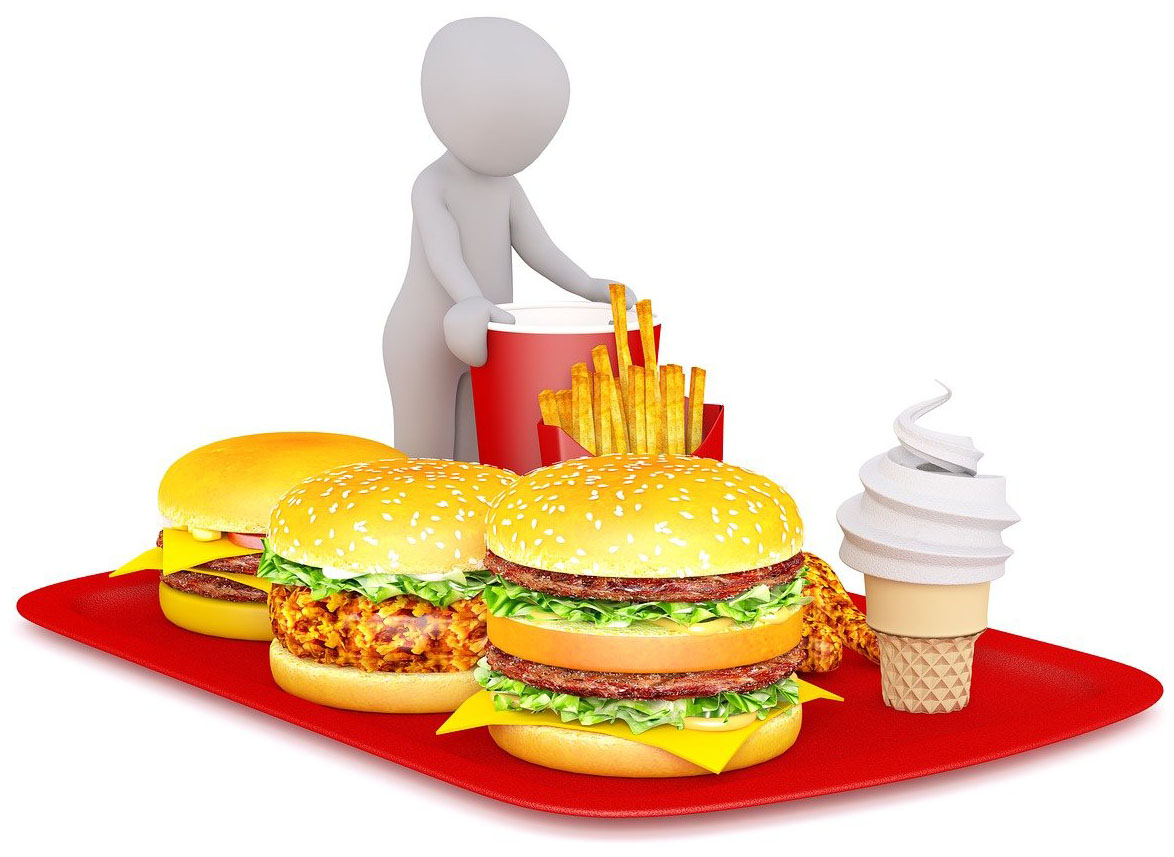
The Big Mac is one of the most iconic sandwiches in the world and each year, McDonald's sells more than half a billion of them.
It's got a tasty history as well.
Along with the special sauce, you can add a dash of rebellion. Back in 1957, franchisee Jim Delligatti opened his first McDonald's restaurant in blue-collar Uniontown, Pennsylvania. Steelworkers made up much of the local customer base, and McDonald's basic burgers weren't always filling enough to sustain them through their physically demanding shifts.
Local diners had an edge on McDonald's, offering heartier meals, including "whopping sandwiches." Delligatti pulled from their playbook and dreamed up a towering double-decker burger. There was just one problem: The corporate bigwigs wanted nothing to do with it and prevented Delligatti from serving larger sandwiches.
But Delligatti persisted and in 1967, McDonald's finally gave him the green light to craft a new sandwich. They insisted on one caveat, however: only ingredients already in use at McDonald's could be used. Delligatti simply ignored them and began purchasing the Big Mac-defining sesame buns from a local bakery. He cooked up the famous sweet and sour special sauce and began selling his sandwiches for 45 cents apiece.
Initially, the sandwich was served at only a few locations and wasn't called a Big Mac. Other names came first, including the Blue Ribbon Burger and the Aristocrat. Despite the clunky names, the sandwich was a smash success and McDonald's head honchos promptly pivoted, embracing the new burger and rolling it out nationwide within just a year.
As for the iconic Big Mac name, that was the brainchild of advertising secretary Esther Rose. The exact recipe of the classic orange sauce, made primarily with mayonnaise mixed with yellow mustard and sweet pickle relish, remains a McDonald's trade secret.

Rick Good spent ten years in the newspaper business, including with The News & Observer (Raleigh, NC) and The Greenville News (Greenville, SC). He co-wrote, with Melinda Coleman, Rutledge to Riley: Governors of South Carolina, 1776–Present (Published by The Greenville News), and is the author of Mind Games Trivia #1 (Amazon). He has recently spent 15 years creating original trivia content through Sounds Good Mobile Entertainment and continues that with his new company, SGME Software. He edits The Smart Reader’s money, real estate, and business coverage.