Everyone needs an engaging activity, something more engrossing than re-watching that Western for the 50th time.
The advice is endless: Learn a language, a musical instrument, become a volunteer at the theater. But when those don't apply to you, what can you do?
One idea for people who like jigsaws is to go three dimensional.
With 3-D puzzles, instead of ending up with a picture you don't want to frame, you end up with a castle, a cathedral, a car or truck, sometimes incredibly detailed.
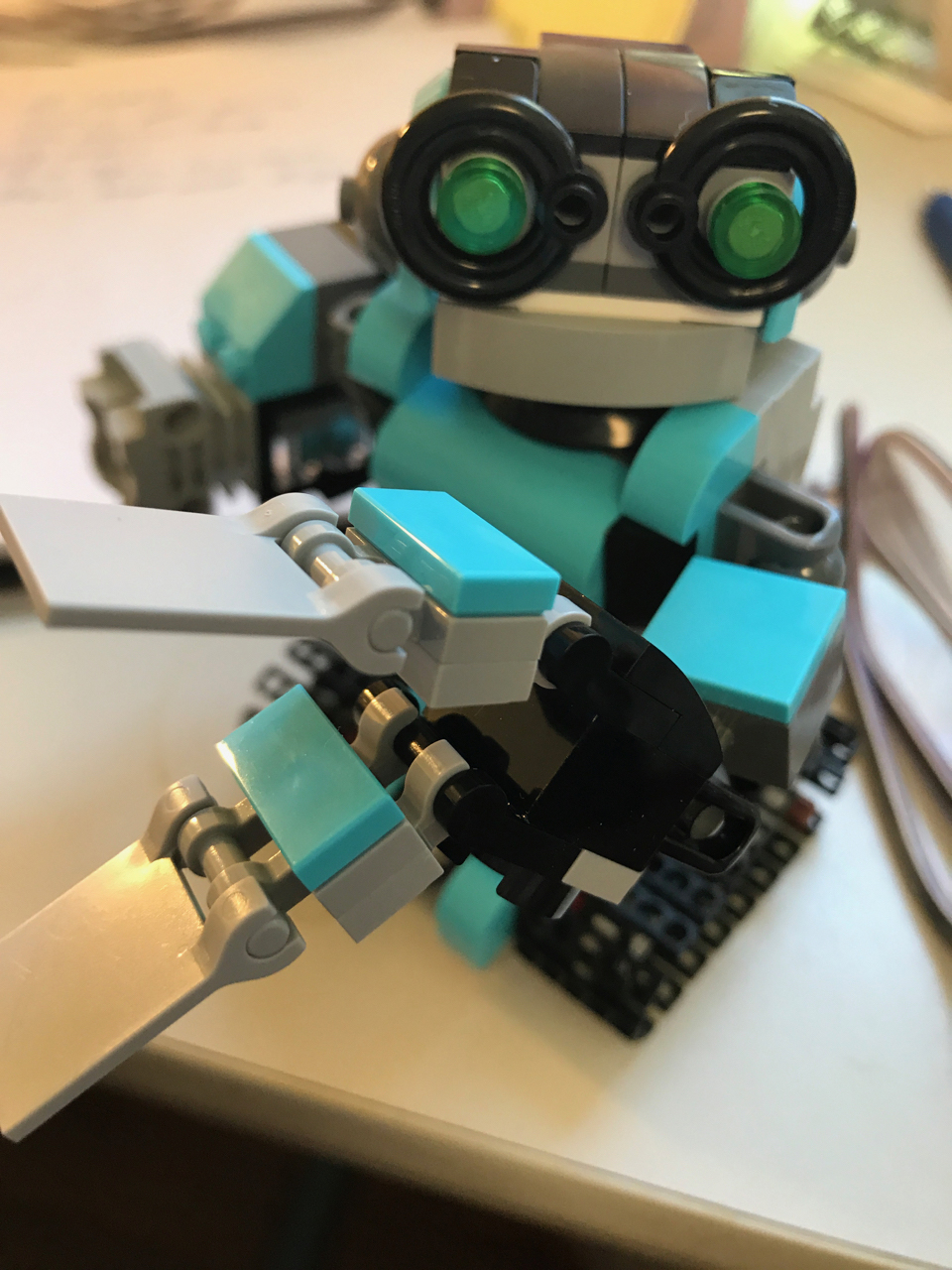
One of the most popular building puzzles today are Legos. The grandkids are probably wild about them. Lego kits come in a vast variety of themes from monsters, aliens and superheroes (the grandkids love those) to famous architecture and iconic items, like a VW bus.
The Lego building kits include a picture book of how to build from step one to the end and, once you have tried it, they are easy to follow.
If you think this might be for you, start small. You might want to build the VW bus, a charming project that gives you a very detailed result with a bus with doors that open, but that isn't the project to start with. Besides its salty cost of about $100, it has thousands of little pieces. Best to start with a $15 project like a robot or superhero, available at any large retailer or online. Even though the subject might not be exactly to taste, the small project will give you a good idea of how Legos work at a low price.
And there are some bonuses. For one thing, when you are finished, you can give the project to the grandkids. They will take it apart and build it again.
Once you are firmly in the Lego world, go for larger projects like something architectural.
Luckily, Lego also offers a new tool that takes blocks apart, eliminating the plea: Let Go, Lego!
Another option for the 3-D puzzle world, although not the rage among kids, there are several brands with a wide variety of cardboard, punch-out puzzles. Subjects range from real buildings to fanciful scenes and fantasy buildings.
These puzzles are often less expensive than Lego building projects but are equally as satisfying.
Start with a puzzle under 100 pieces so you can see how to follow the pictorial directions.

Allyson Good curates senior living, health, and family content. She is formerly the Managing Editor of Active Life, a print newspaper published in 2016-2017 for seniors, choosing practical articles on health, money, safety, and everyday living for older readers. She is also an avid gardener and offers up Garden Hints and Tips on a regular basis.