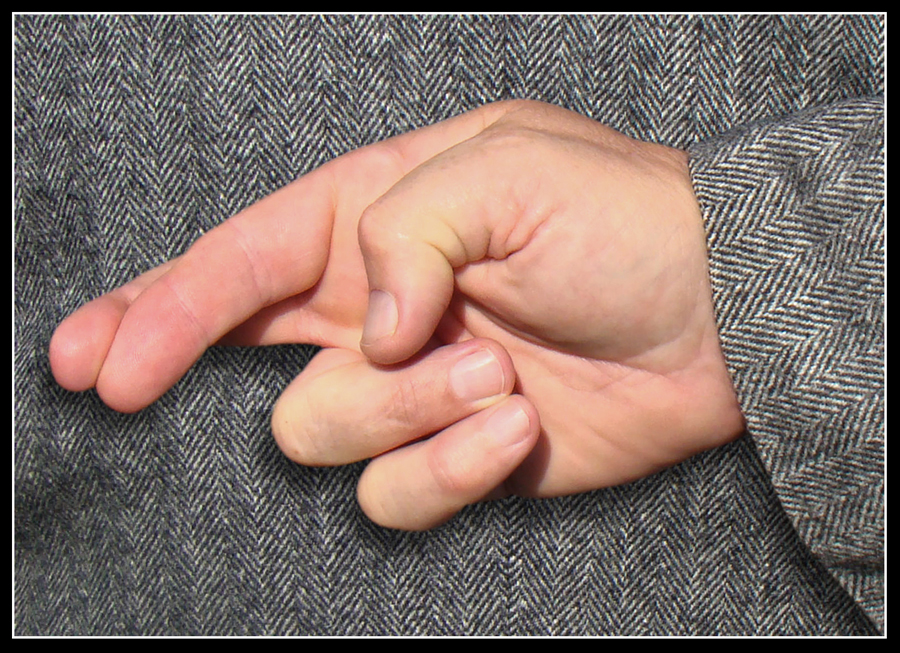
Fake it till you make it is an old and ubiquitous sentiment for a reason — a lot of the time, it just works. But it's not the right approach for every uncomfortable or unfamiliar situation. It's important to know when a little bit of acting will help things click into place in unfamiliar situations, and when other skills might serve you better.
When does it work?
Imagine that it's the first day of a brand new job, and you've got some (understandable) nerves about an unfamiliar office with colleagues you've likely never met and an ocean of rules and processes that you'll need to learn. A little false bravado might help you stay afloat until you feel more at ease in your new surroundings. You might also fake it till you make it in social settings with lots of new people. Before long, that fake smile might really become genuine.
When should you avoid it?
It's very difficult to fake hard skills or to manufacture an entirely new personality — and for that matter, why would you want to? If you don't know how to do something, look it up online or ask a supervisor about some additional directions. And if you absolutely detest doing certain things, what do you really gain if you always pretend to enjoy it?
Occasionally, extreme cases of fake-it-till-you-make-it make the headlines — Anna Sorokin, for example, who bilked banks and individuals out of nearly $300,000 while calling herself Anna Delvey. Sorokin worked her heiress act so diligently that it landed her behind bars. She's free now, and known only as a world-famous faker.

Rick Good spent ten years in the newspaper business, including with The News & Observer (Raleigh, NC) and The Greenville News (Greenville, SC). He co-wrote, with Melinda Coleman, Rutledge to Riley: Governors of South Carolina, 1776–Present (Published by The Greenville News), and is the author of Mind Games Trivia #1 (Amazon). He has recently spent 15 years creating original trivia content through Sounds Good Mobile Entertainment and continues that with his new company, SGME Software. He edits The Smart Reader’s money, real estate, and business coverage.