In 1914, a catastrophe hit a 400-year-old garden on England's Cornwall coast:
The 13 gardeners all went to war.
They were part of an entire generation of British men killed in the World War I trenches.
With no gardeners, the 200 acres of botanical marvels growing in the mild climate at Heligan House fell hopelessly into disrepair. The garden was lost.
In time, the last heir of the Tremayne family left their estate and gardens. Since the 1500s, generations of Tremaynes had preserved and expanded their famous gardens. But by the 1970s, the family was gone, and the palatial Manor House was sold and made into apartments. Unlike other vast estates hit hard by World War I, the Tremaynes did not divide and sell their estate lands. That made all the difference.
In 1990, John Willis, a descendant of the Tremaynes, inherited the lands. He knew an immense garden once grew on the land. With renowned botanists and architects, he set out to explore the garden. Using machetes, they hacked their way in. At one point, they found a small stone room, buried under fallen masonry, with the words: Don't come here to sleep or slumber. Under the sign, dated August 1914, were the signatures of the gardeners, whose lifelong work had been lost to war and time. The explorers were hit with 'a magnificent obsession' that they would restore the garden in honor of the men who had made it bloom.
And that's what happened.
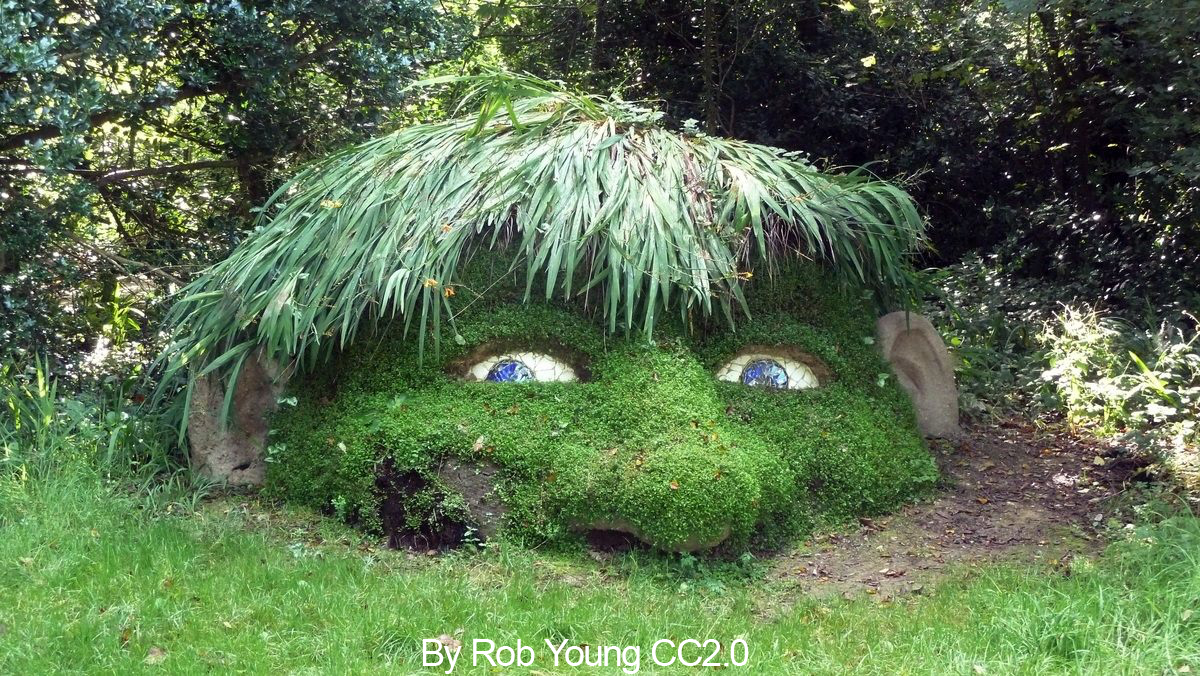
Today, millions of people visit the restored Gardens of Heligan, no longer lost, but rescued. Visitors walk the same paths laid out hundreds of years ago through the 22-acre sub-tropical jungle garden with its enormous bamboo tunnels. Colossal blooming rhododendron highlight the pleasure gardens. A 30-acre lost valley lends the experience mystery. Visitors find waterfalls, giant rhubarb, and ancient woodlands. Wildlife thrives in the garden woodlands. Even the head gardeners hut has been found and restored. In honor of the gardeners — up to 22 at one time, who labored there, a field of poppies remembers their sacrifice.

Rick Good spent ten years in the newspaper business, including with The News & Observer (Raleigh, NC) and The Greenville News (Greenville, SC). He co-wrote, with Melinda Coleman, Rutledge to Riley: Governors of South Carolina, 1776–Present (Published by The Greenville News), and is the author of Mind Games Trivia #1 (Amazon). He has recently spent 15 years creating original trivia content through Sounds Good Mobile Entertainment and continues that with his new company, SGME Software. He edits The Smart Reader’s money, real estate, and business coverage.