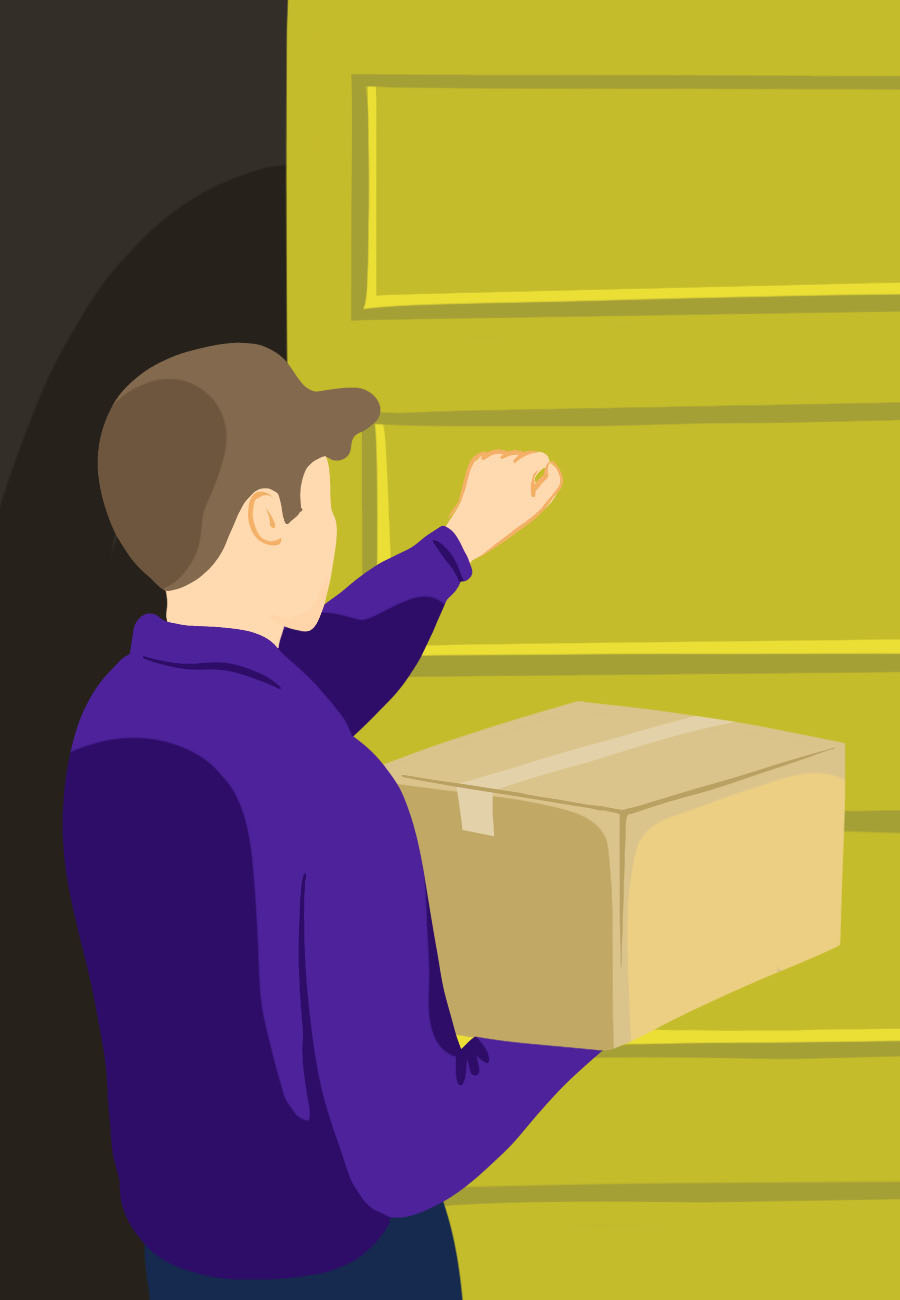
Why go out for something when you can just get it delivered? After all, your knee hurts and the weather's nasty.
When you sign up to receive your prescriptions by mail, it's important to understand all the pros and cons and the real cost of all that convenience.
Medication delivery, especially mail order prescription services, have become increasingly convenient. Since many mail order pharmacies are jointly owned and managed by pharmacy benefit managers and health insurance companies, the associated copays may be lower compared to what you pay at a regular retail pharmacy. Mail order pharmacies also commonly fill prescriptions for 90 days, which can also reduce your copay.
But some of these benefits come with their own potential downsides. For one, most mail order pharmacies rely on the U.S. Postal Service as their primary shipping partner. But according to Government Executive, mail delivery has slowed. For customers in rural areas, those shipping delays might leave them scrambling for alternative options when essential medications fail to arrive on time.
Some patients may also benefit from the personalized attention they receive at local retail pharmacies. According to GoodRx, your local pharmacy may be able to provide a 90-day supply at a similar price as a mail order pharmacy. If you're happy with your current pharmacy and have a good relationship with the staff, you don't necessarily need to make the switch.
There are ways to make it easier to manage prescriptions.
* Try to group mail order prescriptions together.
* Review your health plan. This will help you understand which medications are preferred and when a local pharmacy might be cheaper than mail order.
* Use your pharmacy's mobile app to fill and track deliveries from your phone.
* Plan to rely on a local pharmacy for acute care needs, like antibiotics.
* Make a note to refill mail order prescriptions about two weeks before you need them.

Allyson Good curates senior living, health, and family content. She is formerly the Managing Editor of Active Life, a print newspaper published in 2016-2017 for seniors, choosing practical articles on health, money, safety, and everyday living for older readers. She is also an avid gardener and offers up Garden Hints and Tips on a regular basis.