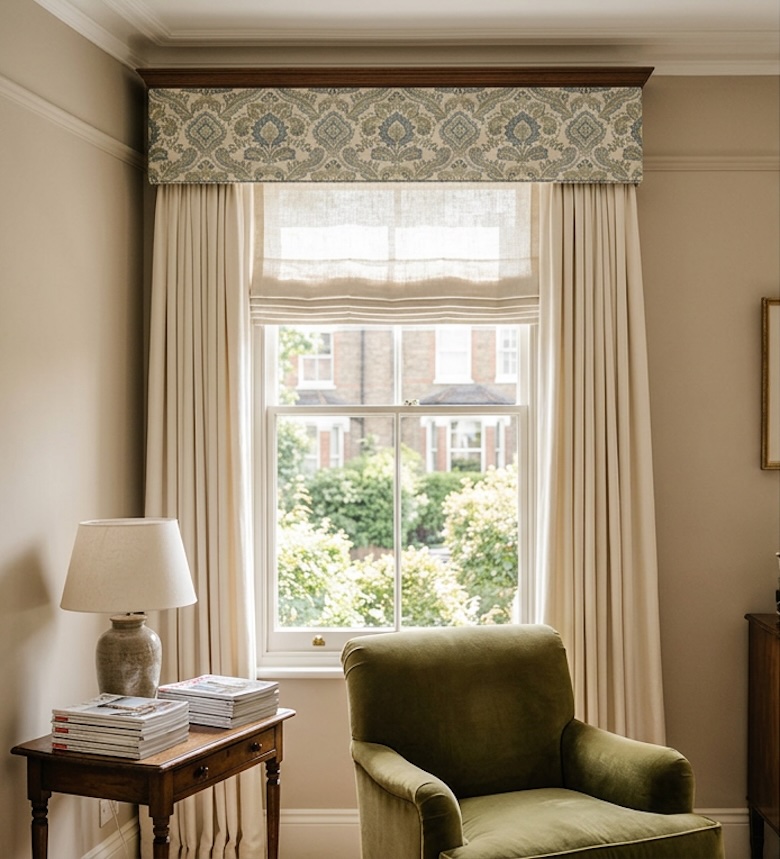
You may not realize it, but painting woodwork is something of a skill.
Glossy paint, typically used for woodwork, is easy to clean and long-lasting, but it takes skill to apply a smooth coat.
Before you start, decide whether you really want to paint woodwork that has a natural finish. Think about it. Sleep on it. There's no going back.
Even with top quality paint and brushes, painting woodwork takes technique. Here's some advice from the pros.
* Fix the surface. If it's been painted before, remove bumps, drips, and runs with a sharp pull scraper. Fill divots with a no-shrink spackle, then sand with a 220 grit silicon-carbide sand paper. Sand with the wood grain.
* Fill nail holes in new wood and sand with 120-grit paper.
* Dust the surfaces with a tack cloth. Open it all the way to dust well.
* Paint evenly. The editors of This Old House recommend brushing in the direction of the grain using long, parallel strokes. Watch for buildup in the corners where paint could run. With latex paint, you only have two or three strokes before the paint starts to dry.
* Finish it. Right after the paint is distributed, unload the brush by slapping it against the inside of the bucket, the experts say. Then hold the brush at a low angle to the surface and gently drag the bristles' soft ends over the surface of the wet paint to level out brushmarks.
* Stand back. After this, don't do anything else or the paint will not dry smoothly

Rick Good spent ten years in the newspaper business, including with The News & Observer (Raleigh, NC) and The Greenville News (Greenville, SC). He co-wrote, with Melinda Coleman, Rutledge to Riley: Governors of South Carolina, 1776–Present (Published by The Greenville News), and is the author of Mind Games Trivia #1 (Amazon). He has recently spent 15 years creating original trivia content through Sounds Good Mobile Entertainment and continues that with his new company, SGME Software. He edits The Smart Reader’s money, real estate, and business coverage.