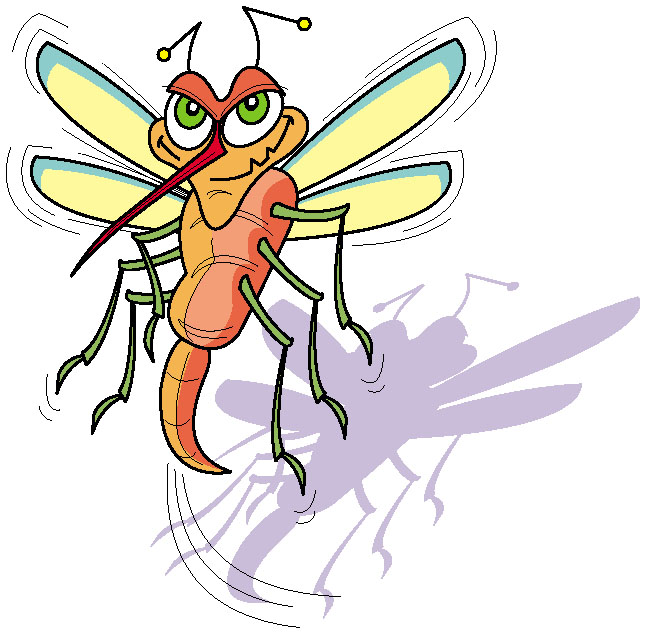
Mosquitoes spread West Nile virus and other pathogens, which means that bug repellents do more than just prevent itchy bites and ruined campouts. And in regions where malaria and mosquito-borne dengue fever are endemic, repelling mosquitoes can save lives.
DEET is hard to beat. It was first patented by the U.S. Army and has been in commercial use since the 1950s.
Worries about its safety have tapered off, possibly because people are more concerned that a bite could make them sick. Many repellents have bright stickers that highlight the DEET content.
When you apply the repellent, it leaves a thin cloud cover of molescules over the skin that don't actually repel mosquitos — it confuses them instead. The active ingredient clogs receptors on their antennae and they lose their appetite for blood.
Research published in the New England Journal of Medicine shows that all DEET products delayed the first bite for much longer than other repellents. A product with a relatively small amount (6.65 percent) lasted an average of 112.4 minutes. OFF! Deep Woods (23.8 percent) lasted 301 minutes; Sawyer Controlled Release (20 percent) lasted 234 minutes. Citronella products lasted 10 to 20 minutes.
The American Academy of Pediatrics warns against using repellents that are more than 10 percent DEET on children. Others say all DEET products are safe for children. Visit health.harvard.edu/health for more information.

Rick Good spent ten years in the newspaper business, including with The News & Observer (Raleigh, NC) and The Greenville News (Greenville, SC). He co-wrote, with Melinda Coleman, Rutledge to Riley: Governors of South Carolina, 1776–Present (Published by The Greenville News), and is the author of Mind Games Trivia #1 (Amazon). He has recently spent 15 years creating original trivia content through Sounds Good Mobile Entertainment and continues that with his new company, SGME Software. He edits The Smart Reader’s money, real estate, and business coverage.