What Are
Mutual Funds?
If you have a 401(k) or IRA, you've likely seen mutual funds listed as investment options, maybe with serious sounding names, but they are easy to understand.
A mutual fund is a simple way to invest: it pools money from many people'like you and your coworkers'and uses it to buy a diversified mix of stocks, bonds, or other assets. A professional manager (or a computer for some funds) handles the decisions, so you don't have to pick individual stocks yourself.
The idea started over 250 years ago in the Netherlands in 1774, when a merchant created a shared investment trust to help small savers spread risk. The modern mutual fund was born in the U.S. in 1924 with the Massachusetts Investors Trust, and today, they're a cornerstone of retirement accounts.
There are several types of mutual funds to fit different goals:
* Index Funds: Track a market index like the S&P 500 (think of it as owning a slice of 500 big companies). Low-cost and popular in 401(k)s.
* Bond Funds: Invest in bonds for steady income and lower risk'great as you near retirement.
* Stock Funds: Focus on company stocks for growth; some target tech, healthcare, or value companies.
* Target-Date Funds: Automatically shift from stocks to bonds as your retirement year (like 2050) approaches'set-it-and-forget-it.
* Balanced Funds: Mix stocks and bonds for moderate growth and safety.
In your 401(k) or IRA, mutual funds are deducted from a paycheck before taxes. They are taxed as income when withdrawn. Roth IRA, funds are taxed up front, and are not taxed on withdrawal.
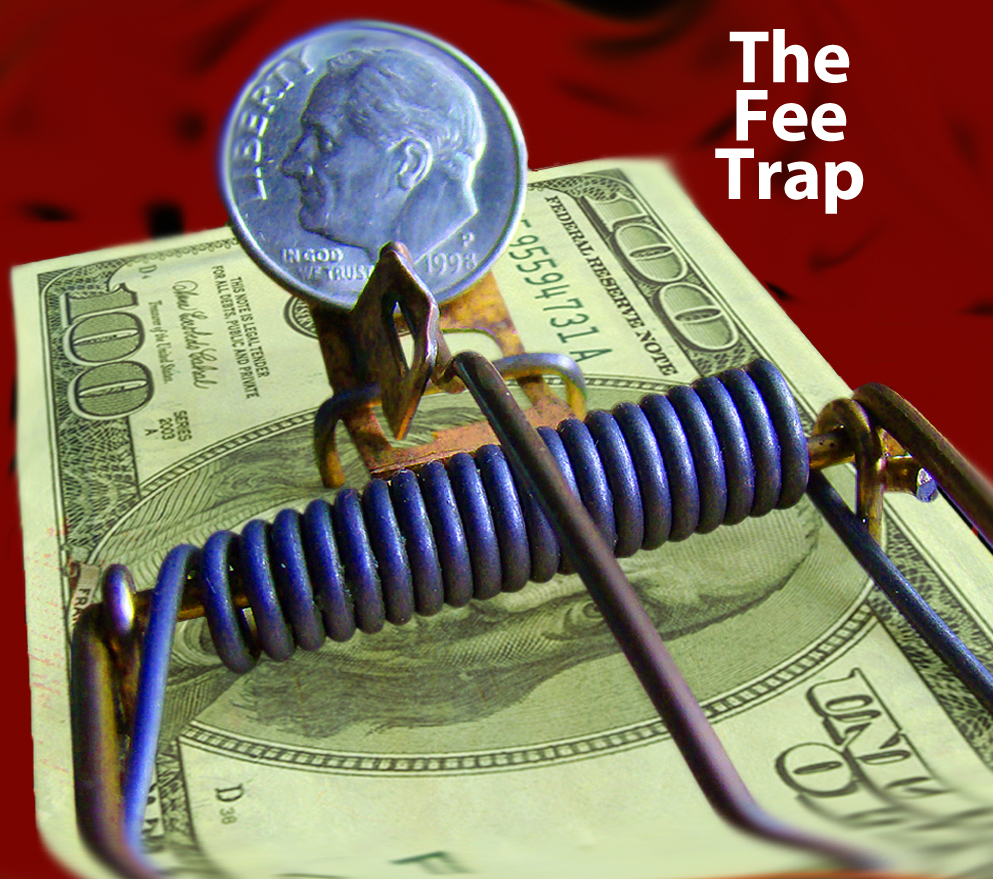
Mutual funds offer instant diversification, reducing risk compared to owning one stock. Fees vary'index funds are cheapest (often under 0.1%.

Rick Good spent ten years in the newspaper business, including with The News & Observer (Raleigh, NC) and The Greenville News (Greenville, SC). He co-wrote, with Melinda Coleman, Rutledge to Riley: Governors of South Carolina, 1776–Present (Published by The Greenville News), and is the author of Mind Games Trivia #1 (Amazon). He has recently spent 15 years creating original trivia content through Sounds Good Mobile Entertainment and continues that with his new company, SGME Software. He edits The Smart Reader’s money, real estate, and business coverage.