
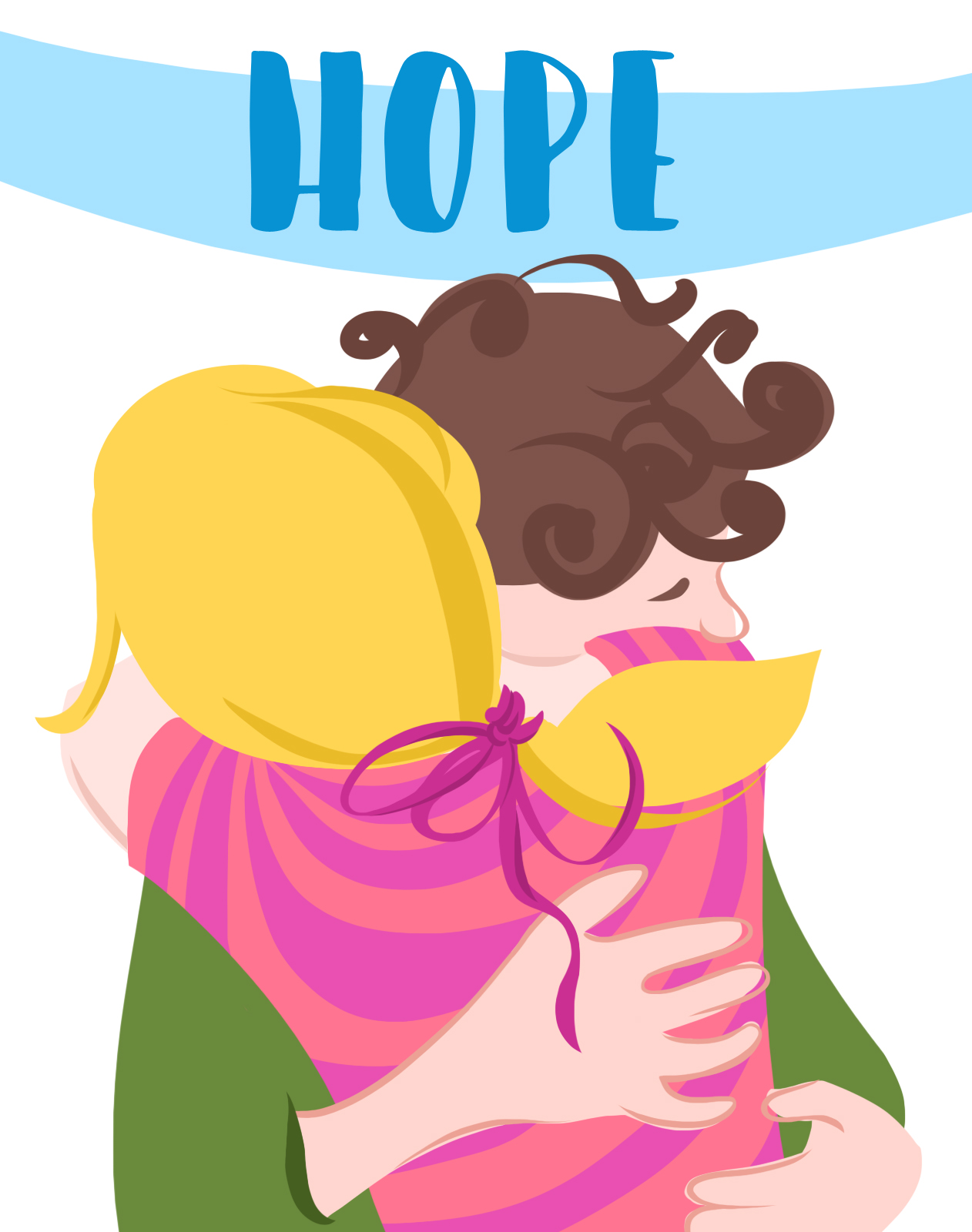
Hope is a basic element of our physical and mental well-being. Those who have it have healthy habits, like getting enough sleep and exercise. They also have fewer colds, less hypertension and diabetes, are more likely to survive cancer, and have less depression, concludes health writer Elizabeth Bernstein.
It's different from optimism, which is the belief that things will work out no matter what you do.
When people lose hope, they are focusing on obstacles, but psychologists find they can teach people to gain or restore hope. In a study published in the Journal of Happiness Studies, researchers asked participants to identify a goal that excited them, multiple ways to that goal, and obstacles to the pathways around obstacles. They found that the participants experienced a significant and sustained increase in hope after the study.
Writing in The Wall Street Journal, Anthony Scioli, a professor of psychology at Keene State College in Keene, N.H., says hope is made up of four components. He says they are:
Attachment, a sense of continued trust and connection to another person.
Mastery, or empowerment, is a feeling of being strong and capable and having people you admire and who validate your strengths.
Survival is a belief that you aren't trapped in a bad situation and have a a way out, plus the ability to hold on to positive thoughts while processing something negative.
Spirituality is a belief in something larger than yourself.
Dr. Scioli, author of Hope in the Age of Anxiety, says those who have all four of these resources are more hopeful and, therefore, they are more resilient.

Rick Good spent ten years in the newspaper business, including with The News & Observer (Raleigh, NC) and The Greenville News (Greenville, SC). He co-wrote, with Melinda Coleman, Rutledge to Riley: Governors of South Carolina, 1776–Present (Published by The Greenville News), and is the author of Mind Games Trivia #1 (Amazon). He has recently spent 15 years creating original trivia content through Sounds Good Mobile Entertainment and continues that with his new company, SGME Software. He edits The Smart Reader’s money, real estate, and business coverage.