This might not come as much of a surprise, but Velcro has a rather gripping history.
While taking a stroll through the Alps, Swiss engineer George de Mestral noticed burrs sticking to his pants and canine companion's fur. Burrs can be rather tenacious, but George realized that if he could create a synthetic version to use with clothing and in other applications, it could be quite useful. A man of science, George put some burrs under a microscope and saw that their ability to grip was due to tiny hooks.
George got to tinkering, first trying to make similar small hooks out of cotton, but ended up stuck. Even when shaped into loops, the cotton fibers quickly forgot the shape. Next, he started toying with nylon and polyester fibers and made a crucial discovery: these materials had a type of "memory" and when shaped into hooks, they'd remain in that form. Synthetic materials also didn't wear out as quickly and were stiffer than cotton.
It took him roughly a decade to complete the work, but by 1951, he had invented and refined his "hook and loop" fastener system. In 1952 he founded "Velcro," which is actually a company name, while the fasteners themselves are called hook and loop. These fasteners consist of two parts: One side features countless tiny hooks, while the other sports a vast number of loops. Push them together, and the loops will snag the hooks.
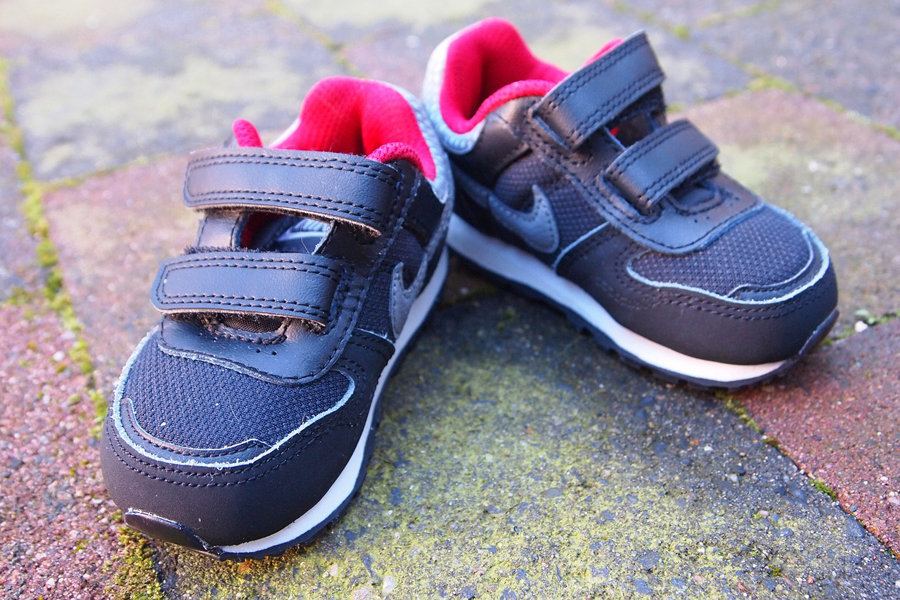
George assumed his invention would replace traditional zippers, but fashion critics quickly dinged hook and loop fasteners as ugly and cheap-looking. Yet as NASA set its sights on the stars, they realized that Velcro could fasten things in Zero-G environments and began to use the fasteners en masse. With the space race then at the center of popular culture, Velcro's otherworldly credentials propelled it to fame, and companies like Puma started using it for shoes and athletic gear. Critics be ignored — hook and loop is now a popular fastener due primarily to its practicality, and Velcro pulls in roughly $1.8 billion per year.

Rick Good spent ten years in the newspaper business, including with The News & Observer (Raleigh, NC) and The Greenville News (Greenville, SC). He co-wrote, with Melinda Coleman, Rutledge to Riley: Governors of South Carolina, 1776–Present (Published by The Greenville News), and is the author of Mind Games Trivia #1 (Amazon). He has recently spent 15 years creating original trivia content through Sounds Good Mobile Entertainment and continues that with his new company, SGME Software. He edits The Smart Reader’s money, real estate, and business coverage.