
About 10 million Americans suffer from pain in their jaw joints and muscles, called TMJ disorders. The accompanything jaw pain can interfere with sleep and make it hard to eat or speak.
The symptoms can also bring pain to the backs of the eyes, the shoulders, neck and back.
The culprit is the joint that connects the lower jaw to the bone at the side of the head and its connected muscles. Temporomandibular pain is often blamed on misaligned teeth and dental problems, but there are other causes
In some patients, the problem is related to repeated movement of the jaw caused by tooth grinding while they sleep. Stress-related clenching of the jaw muscles may be the cause. There may also be a problem with the joint itself.
Treatment begins with self-care.
* Rest the joint. Limit jaw movement while eating, yawning or laughing. Avoid gum chewing.
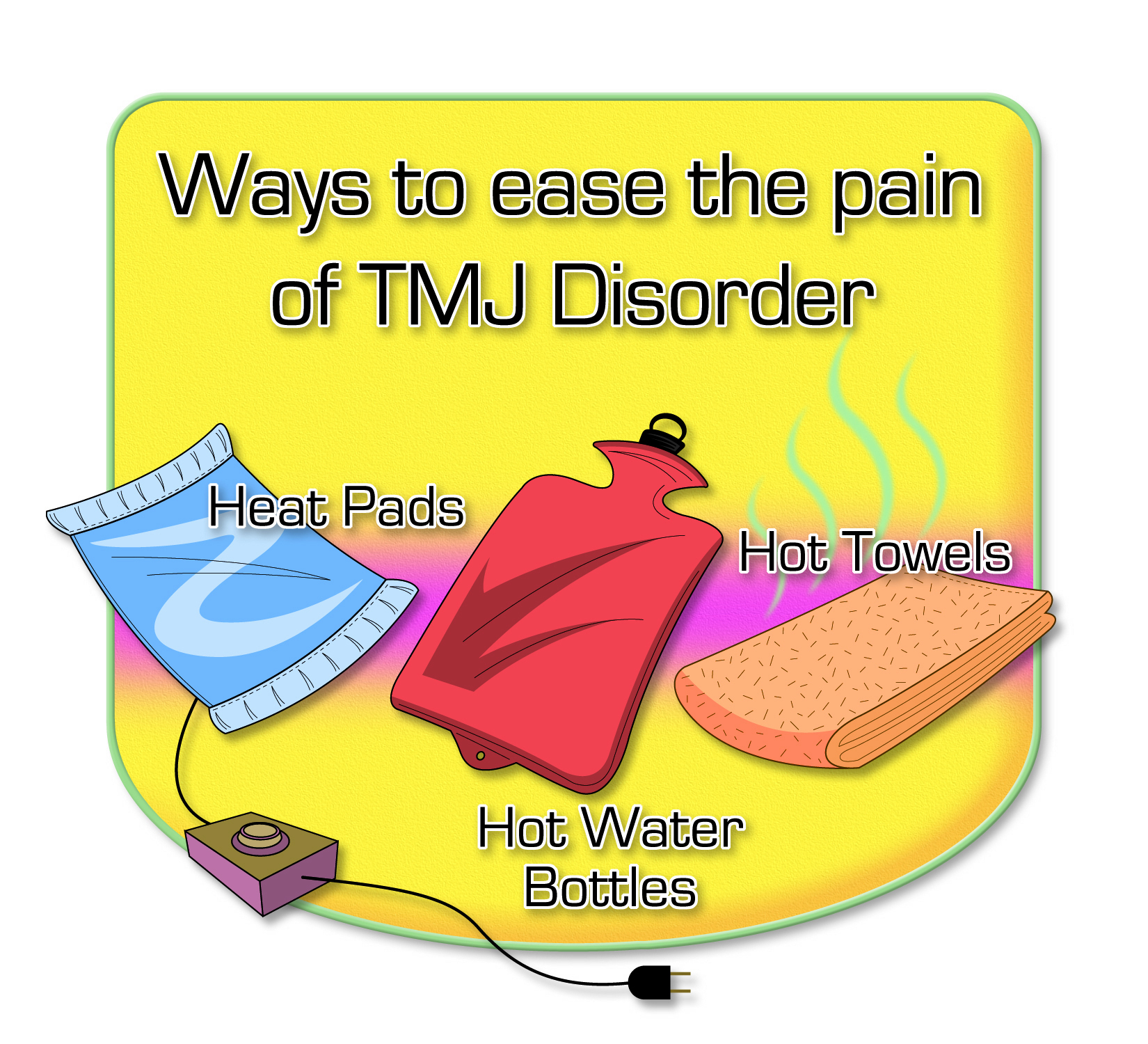
* Use heat to relax the muscles. Apply a heating pad, hot towel or water bottle for 20 minutes at a time.
* Use over-the-counter NSAIDs like aspirin and ibuprofen. If they aren't effective, your doctor may prescribe a medication to treat anxiety or stress.
* When misaligned teeth are the problem, a dentist or orthodontist can prescribe an orthodontic device.
In 10 to 15 percent of sufferers, none of these help. A doctor will then consider outpatient arthroscopy, according to Johns Hopkins Hospital. Under anesthesia, a tiny camera and instruments are moved to the site.
The surgeon can remove excess joint cartilage or bone fragments, correct misaligned discs, reshape bone, or remove bone spurs.
Afterward, you are advised to eat soft foods, avoid excessive jaw movement and do physical therapy.

Rick Good spent ten years in the newspaper business, including with The News & Observer (Raleigh, NC) and The Greenville News (Greenville, SC). He co-wrote, with Melinda Coleman, Rutledge to Riley: Governors of South Carolina, 1776–Present (Published by The Greenville News), and is the author of Mind Games Trivia #1 (Amazon). He has recently spent 15 years creating original trivia content through Sounds Good Mobile Entertainment and continues that with his new company, SGME Software. He edits The Smart Reader’s money, real estate, and business coverage.