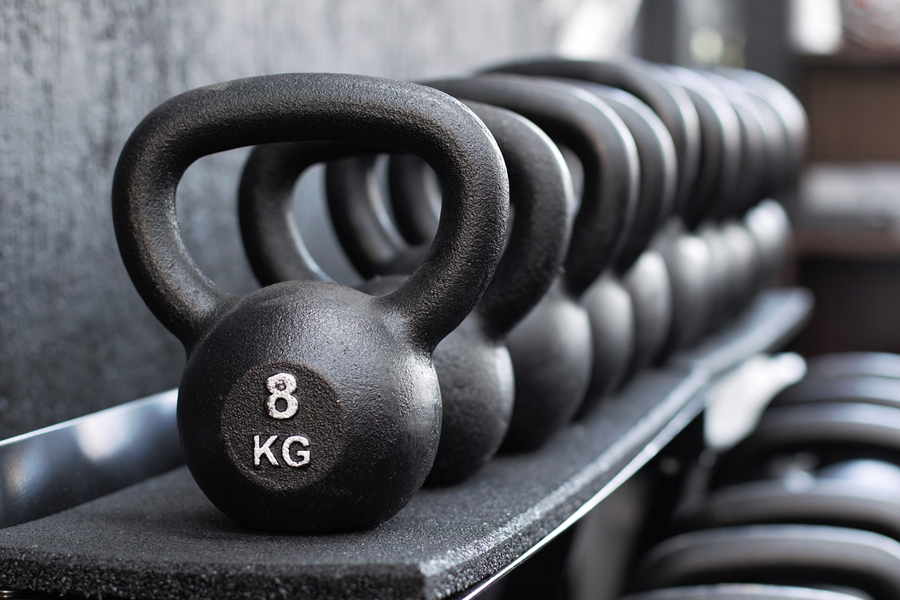
The kettlebell — a deceptively humble-looking hunk of iron with a thick handle — is one of the most versatile and portable fitness tools around, delivering a one-two punch of strength and cardiovascular benefits for users of all ages and experience levels.
In young athletes, it can improve aerobic capacity, while older users may see relief of knee arthritis symptoms and better grip strength. And maybe best of all, it's fun and satisfying, which is why the kettlebell, previously unheard of outside of Russia, has become a fitness favorite around the world during the last two decades.
Ready to start your kettlebell journey? First, choose your first kettlebell wisely. Skip lower-cost plastic or vinyl kettlebells, which can tear the skin or slip from sweaty hands, and look for a cast-iron kettlebell made from a single piece of metal. Choose the heaviest kettlebell that you can safely lift overhead — usually around 10 to 12 kilograms (about 22 to 26 pounds) for women and about 16 kilograms (about 35 pounds) for men. Don't be afraid to go lighter if necessary. You can add heavier kettlebells or a second kettlebell of the same weight later.
Users should also take time to learn foundational movements like the swing, goblet squat, clean, and press before diving into high-volume workouts. Try online resources like Nerd Fitness or books like Simple & Sinister by Pavel Tsatsouline for step-by-step instructions on movements and a variety of workout options.

Rick Good spent ten years in the newspaper business, including with The News & Observer (Raleigh, NC) and The Greenville News (Greenville, SC). He co-wrote, with Melinda Coleman, Rutledge to Riley: Governors of South Carolina, 1776–Present (Published by The Greenville News), and is the author of Mind Games Trivia #1 (Amazon). He has recently spent 15 years creating original trivia content through Sounds Good Mobile Entertainment and continues that with his new company, SGME Software. He edits The Smart Reader’s money, real estate, and business coverage.