By Jamie Katz Salvucci
Before I married, I was a teacher in public school and I didn't like what I saw. The school environment felt like survival of the fittest and some kids weren't up to the challenge. Schools were putting increasing focus on teaching social issues, self-esteem, and sex-ed. When we married, my husband and I decided these topics are best taught at home, at the right time for each child.
Five years into our marriage we had a son. At kindergarten age, he was reading solidly above grade level and breezing through elementary-level arithmetic. This sweet boy was sensitive and shy. I couldn't see a way that a brick-and-mortar school would be right for him academically or socially. He is now 12, doing geometry, high school-level Latin, and science. He is no longer shy, and makes friends wherever he goes. In his spare time, he translates TV show theme songs into Latin, programs in Python, and excels at the piano.
During the next 10 years, we had four more children. They are all scoring well above average on standardized tests, pursuing areas that interest them, and learning through a curriculum we chose just for them. They don't have a clue what peer pressure is. They haven't been bullied. They don't care about being cool.
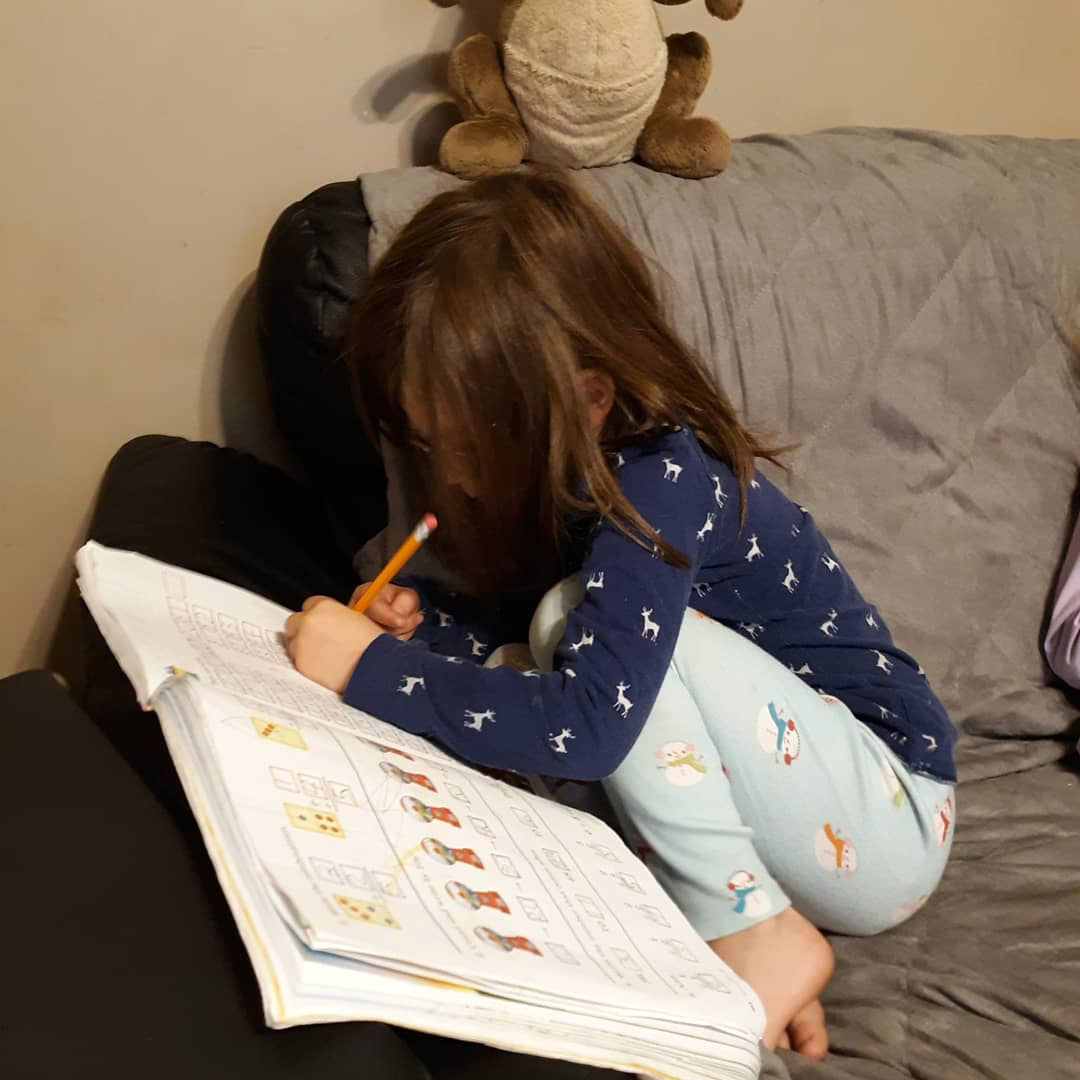
I am the main teacher. School runs from 9 a.m. to 12:30 p.m. My oldest has more difficult work and will often spend longer hours. Our two-year-old toddler sits on the school table distracting everyone with comic relief.
Our favorite field trip is to a living history farm, offering a two-day series of classes in crafts, farm tools, and animals.
Homeschool kids know how to look after the two-year-old on a group hike, how to play field games to include all the children, and they can look adults in the eye and have meaningful conversations. Those skills will take them far in life.
Jamie Katz Salvucci is a trained musician, mom and homeschooler.

Rick Good spent ten years in the newspaper business, including with The News & Observer (Raleigh, NC) and The Greenville News (Greenville, SC). He co-wrote, with Melinda Coleman, Rutledge to Riley: Governors of South Carolina, 1776–Present (Published by The Greenville News), and is the author of Mind Games Trivia #1 (Amazon). He has recently spent 15 years creating original trivia content through Sounds Good Mobile Entertainment and continues that with his new company, SGME Software. He edits The Smart Reader’s money, real estate, and business coverage.