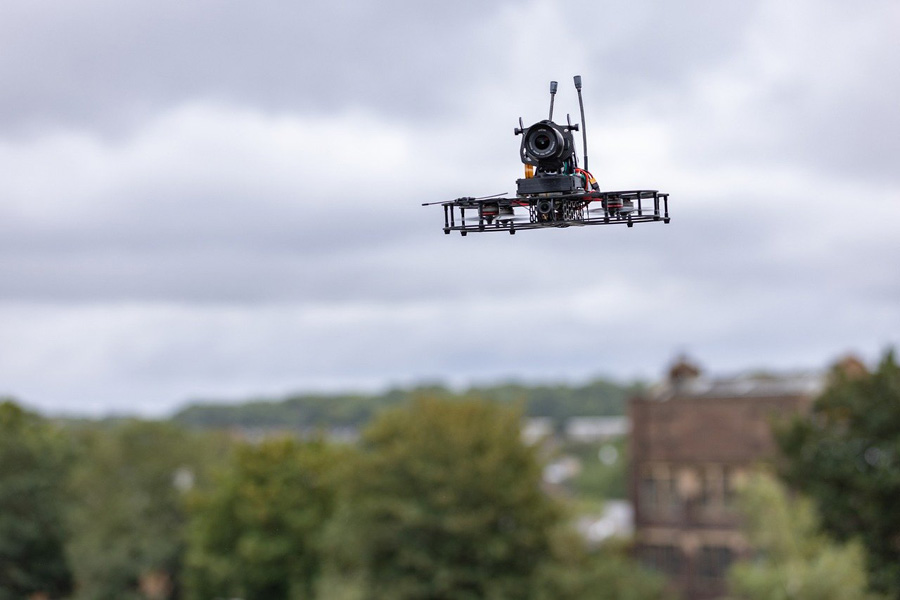
If you spot a drone watching you or snooping around your property, you may want to keep your eyes peeled.
Among other things, criminals have begun using drones to scope out potential targets. Drones can be used to monitor people's movements so that burglars can figure out when a home is most likely to be empty. They can also be used to find potential entrance points, such as windows that lack sensors.
Recently, a federal grand jury indicted four alleged criminals for using drones and GPS trackers to monitor homeowners. When the owners left, the burglars broke in and made off with their property. During one heist, the criminals managed to steal about half a million worth of jewelry and other property in Jacksonville, Florida. In total, the criminal group is believed to have hit targets across at least 8 states.
Drones are also being used for smuggling. In Ireland, prison guards intercepted a package stuffed with drugs and phones dropped into a prison complex. Mexican drug cartels, meanwhile, often use drones to move their product, including methamphetamine and fentanyl, across the border. Since the drone operators typically operate from Mexico, they're out of reach for American law enforcement. That said, law enforcement agencies are now using drones to tail fleeing criminals, monitor borders, and more.
As for defense, it might be tempting to simply shoot drones out of the sky. However, drones are technically considered aircraft and are protected by especially stringent federal laws — and there are hefty penalties for shooting down or destroying aircraft. Legal frameworks will likely evolve in the years ahead as drones become more ubiquitous and more of a concern. In many jurisdictions, however, drone operators can fly above private property and if you take any shots at one, you might end up in front of a grand jury yourself.

Briefs and quick reads selected and edited by The Smart Reader’s editorial team.