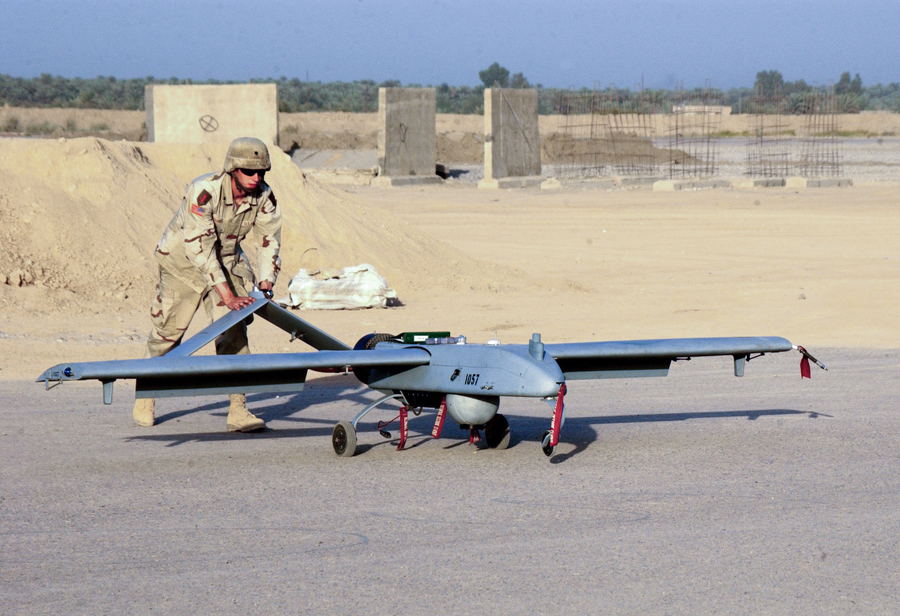
Look up in the sky! It's a bird! It's a plane! It's … actually just the medication refill that you ordered, headed right to your doorstep.
According to Sherwood news, delivery drones have been in the works for years — Amazon notably started experimenting with them more than a decade ago. But drone adoption has been stalled by regulatory burdens. President Trump's executive order in June 2025 introduced significant regulatory changes to make drone delivery more commercially viable.
Now, drone delivery might be taking off again, and this time to stay. According to ASME.org, the global commercial drone market was valued at about $8 billion in 2022 and is projected to hit $47 billion by 2030. The key to efficient drone delivery is autonomous drones, which require substantially less human oversight and are programmed with sophisticated anti-collision software to avoid midair obstacles.
Drone industry experts say that within five to 10 years, autonomous drone delivery will be a normal way to receive consumer goods, with hundreds of thousands of the devices operating across U.S. airspace. The drones will reduce traffic and bring customers their orders within as little as 30 minutes.
Criminals and warriors have been using drones for more than a decade. The first use of a drone to drop contraband was in 2013. Drones have delivered military supplies, especially medicine since at least 2020.

Rick Good spent ten years in the newspaper business, including with The News & Observer (Raleigh, NC) and The Greenville News (Greenville, SC). He co-wrote, with Melinda Coleman, Rutledge to Riley: Governors of South Carolina, 1776–Present (Published by The Greenville News), and is the author of Mind Games Trivia #1 (Amazon). He has recently spent 15 years creating original trivia content through Sounds Good Mobile Entertainment and continues that with his new company, SGME Software. He edits The Smart Reader’s money, real estate, and business coverage.